November always brings a different kind of energy with it, a soft invitation to slow down, look around, and acknowledge the people who make our work meaningful. In the busyness of projects, deadlines, and year-end goals, gratitude can feel like a small thing. But in reality, it is one of the most powerful forces shaping team culture, performance, and resilience.
At Lybra, after working with thousands of professionals across sectors, we’ve witnessed a consistent truth:
Teams don’t rise because they work harder.
They rise because they feel valued.

Why Gratitude Matters More Than Ever
The workplace has changed. Teams today are navigating increasing workloads, shifting expectations, and the emotional fatigue that comes with constant change. As stress rises, morale drops, unless something interrupts that cycle.
That “something” is gratitude.
Research shows that gratitude:
- Strengthens emotional resilience
- Reduces stress and burnout
- Enhances problem-solving
- Improves trust between team members
- Boosts engagement and productivity
Gratitude isn’t fluff.
It’s a performance strategy — a human one.
The Gratitude–Resilience Connection
Resilience isn’t built in crisis, it is built in the everyday moments where people feel seen, appreciated, and supported.
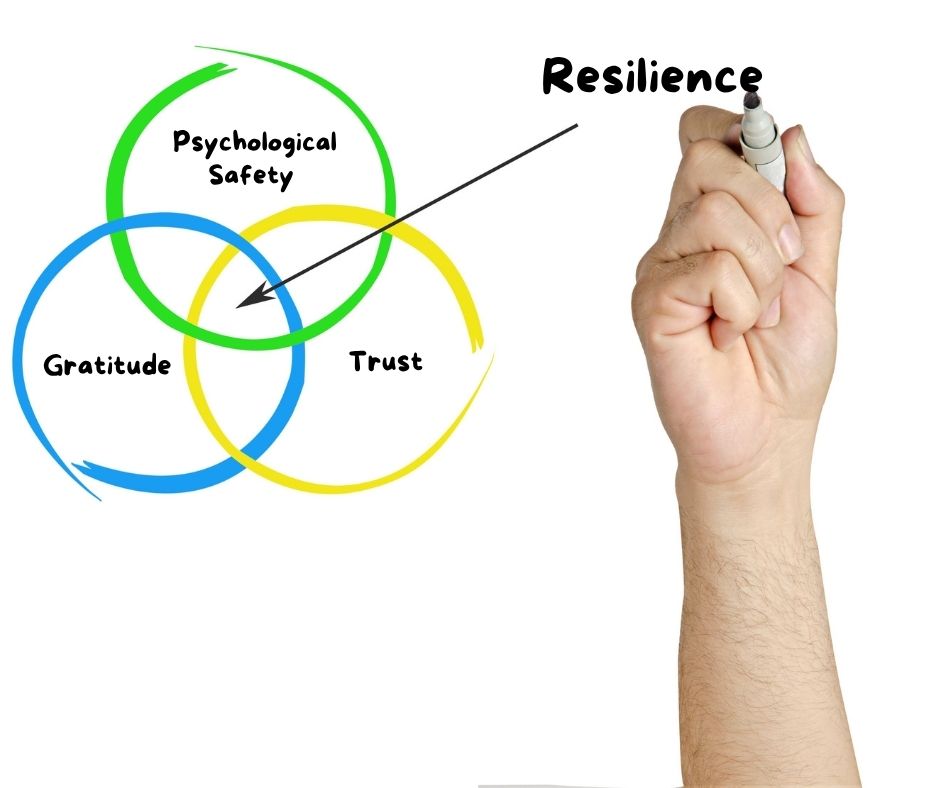
When teams practice gratitude:
- They communicate with more care and clarity. Acknowledgement softens tension and increases empathy.
- They recover from stress faster. Appreciation activates the brain’s calming systems.
- They collaborate instead of competing. When I feel valued, I’m more willing to value others.
- They face challenges with optimism. Gratitude shifts the focus from what’s wrong to what’s possible.
- They develop emotional maturity together.
When gratitude is consistent, emotional intelligence grows across the team.
Gratitude becomes the “glue” that holds people steady during uncertainty
Where Teams Often Get It Wrong
Even well-intentioned teams make mistakes around gratitude. The most common?
- Appreciation only happens at the end of the year.
Teams need consistent, warm acknowledgment, not once-a-year speeches. - Leaders assume people “should just know” they’re valued.
They don’t. Silence breeds insecurity. - Gratitude focuses only on results, not effort.
But people need recognition for the process, not just the outcomes. - Teams skip appreciation during stressful times.
Ironically, those are the moments gratitude matters most. - Gratitude becomes generic.
“Good job” is nice, but it’s not meaningful. Specific appreciation builds trust.
How to Build a Culture of Gratitude (That Doesn’t Feel Forced)
🌟Weekly Wins Wall
A shared board (digital or physical) where team members post:
✔ Wins
✔ Lessons
✔ Acts of kindness
It builds momentum and shared pride.
😊The 20-Second Appreciation Rule
If you think something positive about someone, say it within 20 seconds. Small comments make big emotional deposits.
💛Gratitude in Meetings
Begin one meeting a week with: “Who made your day easier this week?” It shifts the entire team’s energy.
📝Leader Appreciation Notes
Leaders write one short, specific note to a team member each week. Not about performance, about impact.
🎉Celebrate Effort, Not Just Achievement
Acknowledging perseverance builds confidence and psychological safety.
Teams don’t need perfection.
A Story from the Field
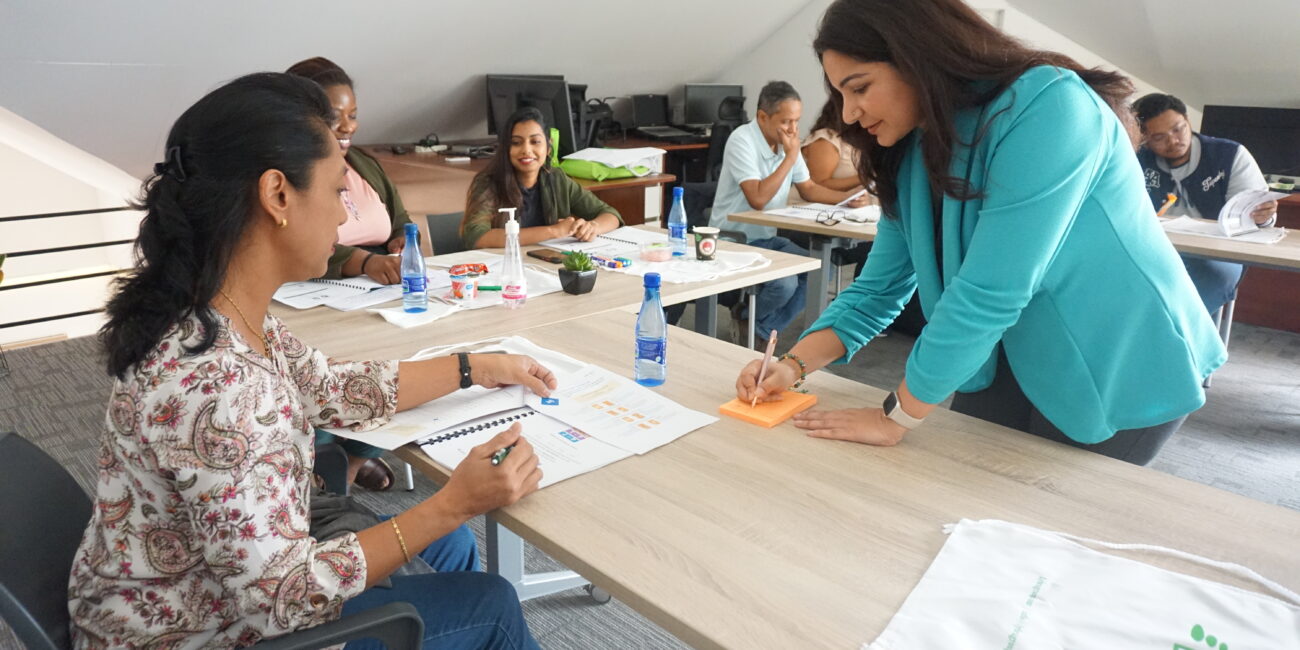
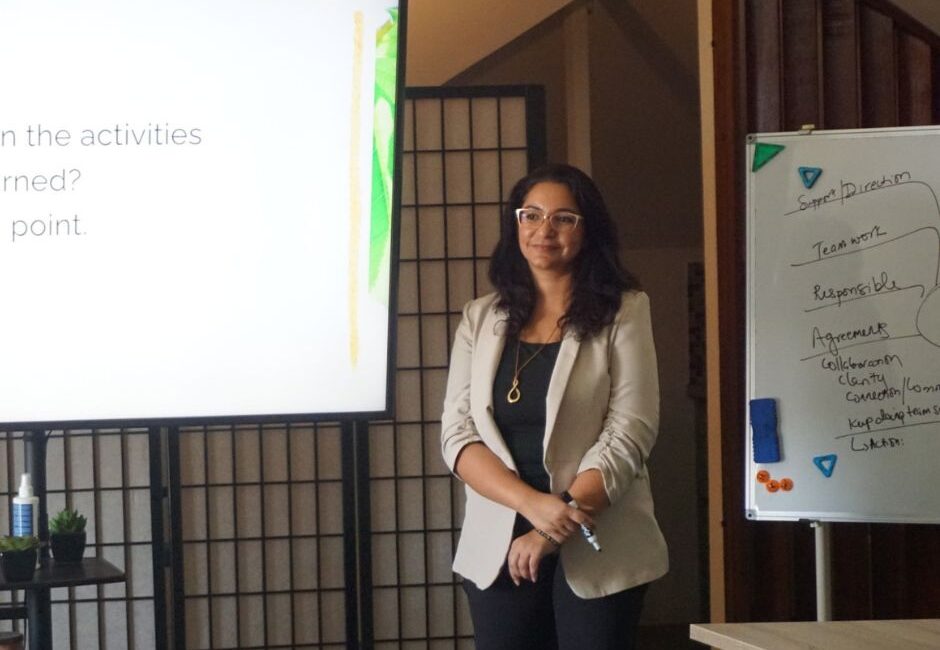
During one of our recent corporate workshops, a participant shared something that touched everyone in the room:
“I didn’t realize how invisible I felt… until someone finally acknowledged the effort I put in behind the scenes.”
That one moment of appreciation changed how she showed up in her role. It changed how the team communicated. It changed the energy in the room.
This is the power of gratitude, it transforms people from the inside out.
As We Move Toward the End of 2025…
We invite leaders and teams to use November not just as a holiday month, but as a leadership practice; a moment to slow down, reflect, and strengthen the kind of culture they want to carry into 2026.
Gratitude is more than a feeling.
It’s a choice.
A habit.
A leadership strategy.
A team lubricant.
An emotional anchor.
And the most beautiful part? It’s available to every one of us, every single day.
Ready to Build a More Connected, Resilient Team?
Lybra’s programs can support you with:
- Emotional Intelligence trainings
- Leadership development for modern teams
- Team synergy sessions
- MBTI for leaders
- AI + Communication workshops
- Culture-building and people transformation programs
Let’s create workplaces where people feel valued, appreciated, and inspired to give their best, not out of pressure, but out of belonging.
For more information, visit www.lybragroup.com or email info@lybragroup.com.