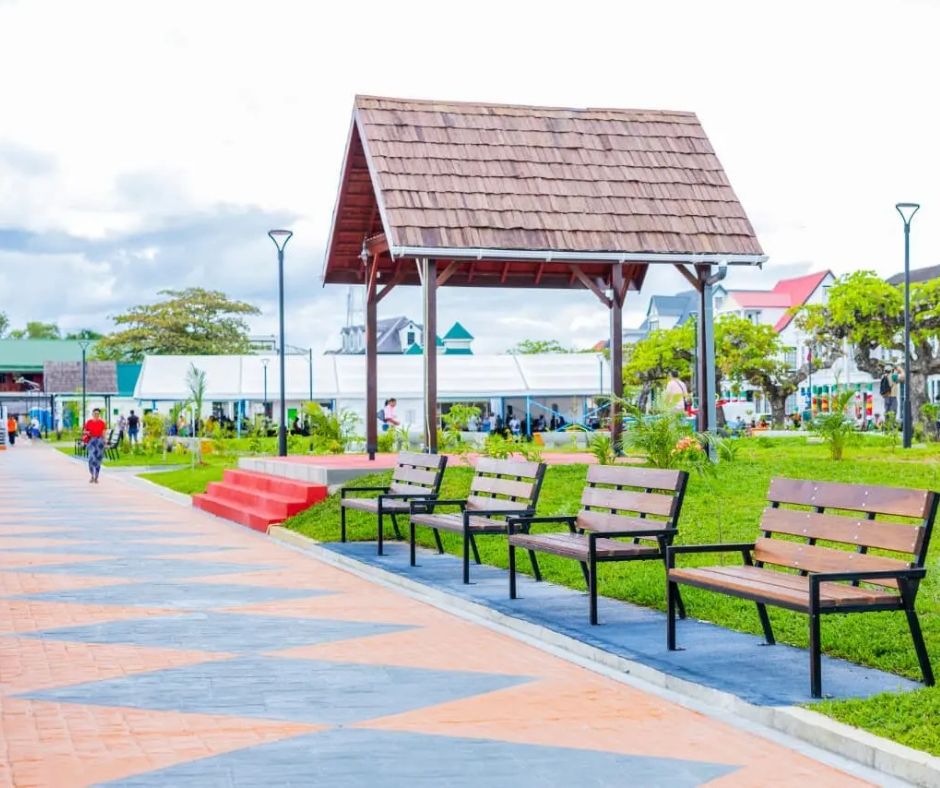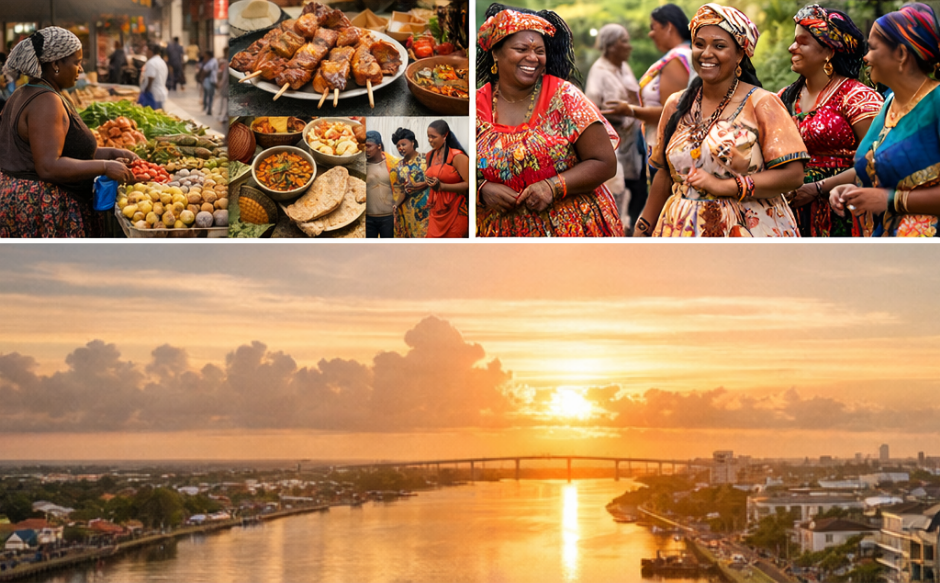
On a Sunday afternoon, I was driving around Suriname, simply observing.
After living here for 15 years, you begin to see growth in layers. Roads that once felt narrow are expanding. New buildings are rising. Small businesses are becoming established enterprises. Larger organizations are stepping into more structured, formalized ways of operating. Infrastructure is slowly evolving.
The face of Suriname is changing, quietly, steadily, intentionally.
It is not explosive growth.
It is visible growth.
And as I drove, I felt something I’ve felt many times before: gratitude.
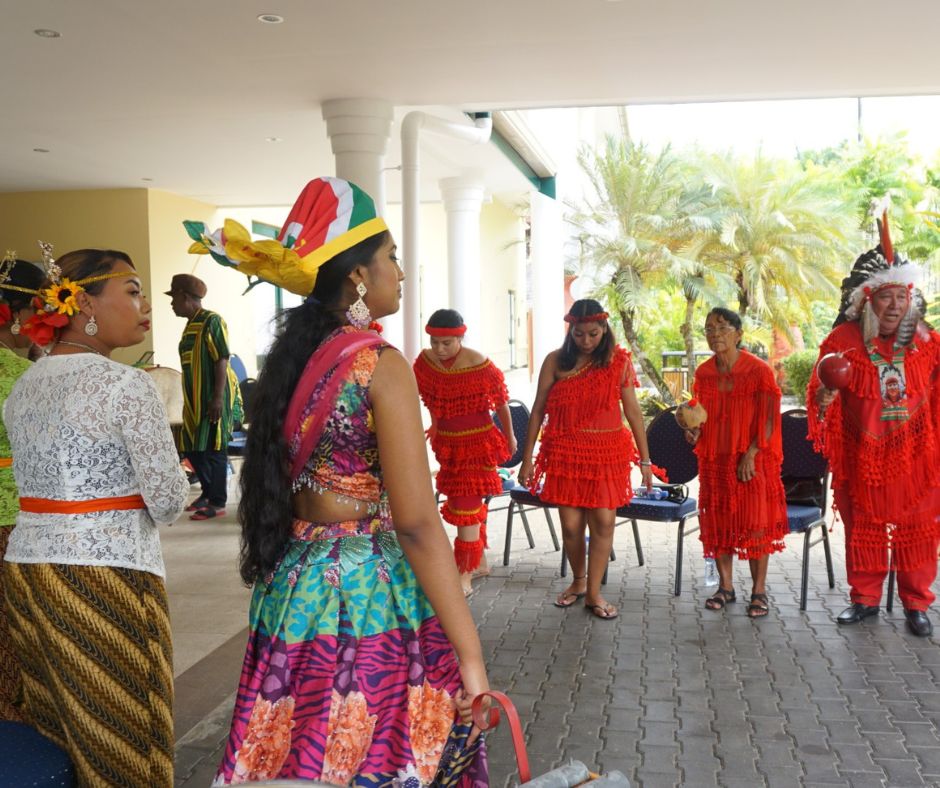
Having lived abroad, I’ve always recognized that Suriname is one of those rare places in the world where you experience the best of multiple cultures at once. The Western and Eastern influences blend naturally with Indigenous and African heritage. You hear it in the music. You taste it in the food. You see it in the language. You feel it in daily life.
There is nowhere else quite like it.
A small country wrapped in lush green forests, with the lungs of the Amazon in our backyard. A place where diversity isn’t a strategy, it’s simply who we are.
And yet, as much as I love this about Suriname, a deeper thought kept returning to me as I drove.
Organizations are strengthening their policies and procedures. More companies are stepping up to certify themselves through programs like Blue Wave or ISO. Systems are improving. Governance is tightening. Standards are rising.
And this is good.
But it led me to ask:
Are our leaders ready for this growth?
Are our young managers ready to lead in this next chapter?
Growth Requires More Than Infrastructure
When roads expand and buildings rise, we see progress.
When companies formalize systems and adopt international standards, we see professionalism.
But growth at this level also requires internal expansion.
Because infrastructure can move faster than mindset.
Standards can increase faster than emotional maturity.
Technology can scale faster than leadership capacity.
And when that gap exists, strain appears.
Sustainable growth demands more than systems. It demands leaders who can hold complexity without becoming reactive. Leaders who understand discipline without losing empathy. Leaders who can operate at international standards while remaining deeply rooted in local context.
A New Standard of Leadership
As Suriname grows, expectations shift.
Partnerships become more global.
Accountability becomes more visible.
Deadlines become tighter.
Decision-making becomes more scrutinized.
This environment does not just require managers.
It requires leaders.
Leaders who can regulate emotions under pressure.
Leaders who can communicate clearly across cultures.
Leaders who can build trust in diverse teams.
Leaders who understand policy but also understand people.
The leadership style that worked ten years ago will not be sufficient for the next ten.
And this is not criticism. It is evolution.
The Opportunity Before Us
What encourages me most is that we are not behind.
We are early.
We are in a powerful window of opportunity, a moment where we can prepare intentionally before growth accelerates further.
We can invest in emotional intelligence.
We can strengthen communication skills.
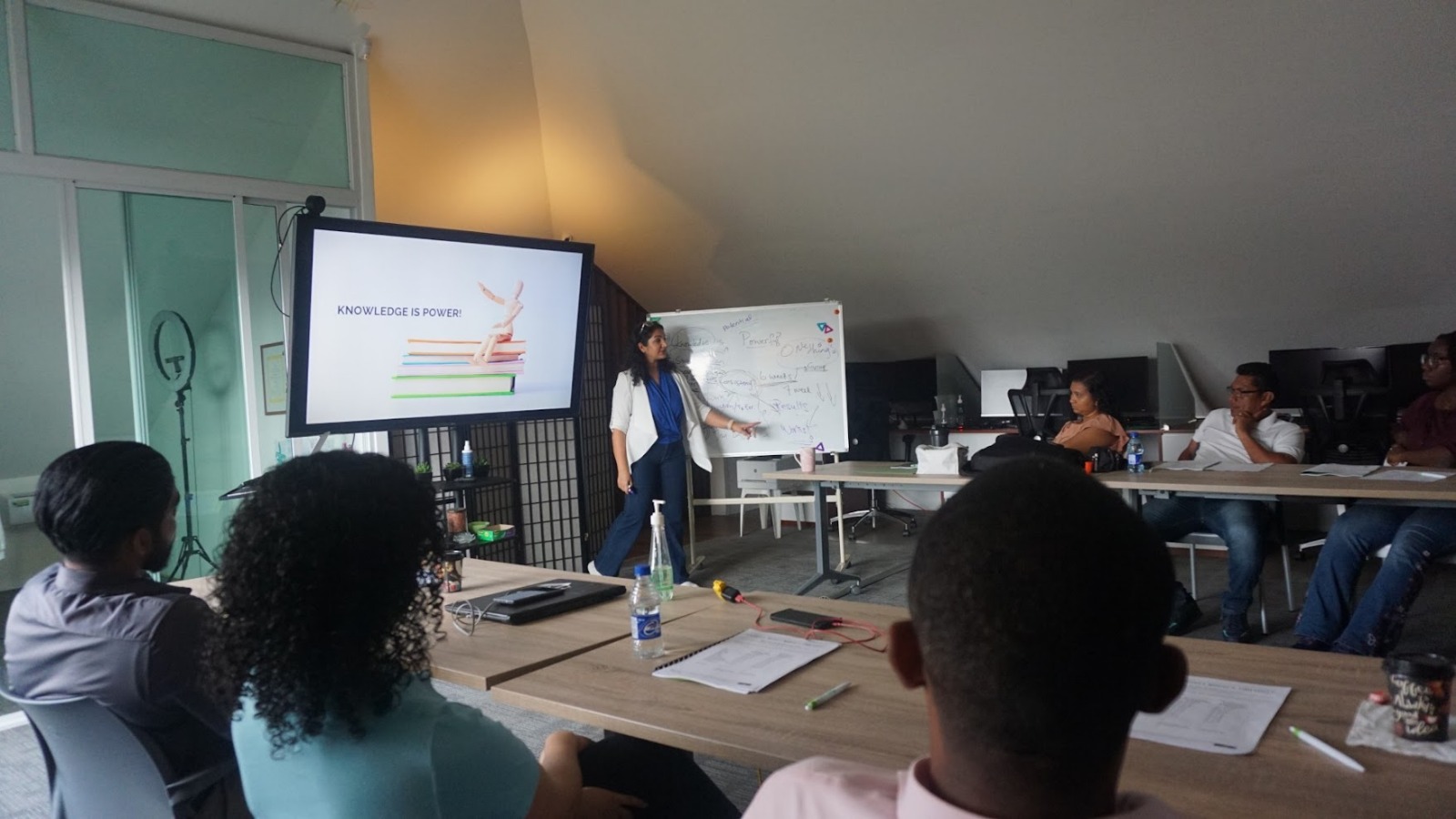
We can teach young managers how to lead rather than just supervise.
We can build accountability cultures instead of reactive ones.
We can integrate AI and digital transformation responsibly, with ethics and clarity.
Right now, we still have space to reflect.
Later, growth may demand reaction.
The question is whether we will use this window wisely.
Competing Globally, Leading Locally
Having lived abroad, I have seen how leadership maturity shapes long-term national growth.
Global standards are not just about certifications. They are about behavior. About ownership. About clarity in communication. About personal discipline.
If Surinamese professionals are to compete confidently on a global stage, and we absolutely can, preparation must happen locally.
We cannot outsource excellence. We must cultivate it.
That means raising communication standards. Strengthening decision-making maturity. Encouraging continuous learning. Developing leaders who remain calm under pressure rather than reactive under stress.
Because growth will test us.
And pressure always reveals leadership character.
A Personal Responsibility
As I drove yesterday, looking at the visible changes unfolding across our country, I felt both pride and responsibility.
Pride for how far we’ve come.
Responsibility for how we lead what comes next.
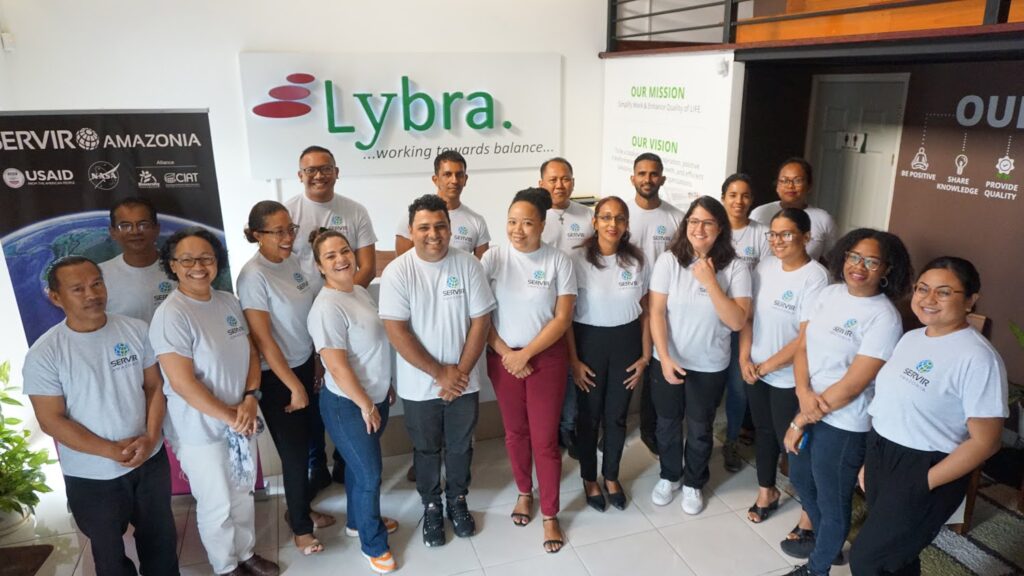
At Lybra, we have always believed that transformation must happen on two parallel tracks:
- Strengthening digital systems.
- Strengthening human systems.
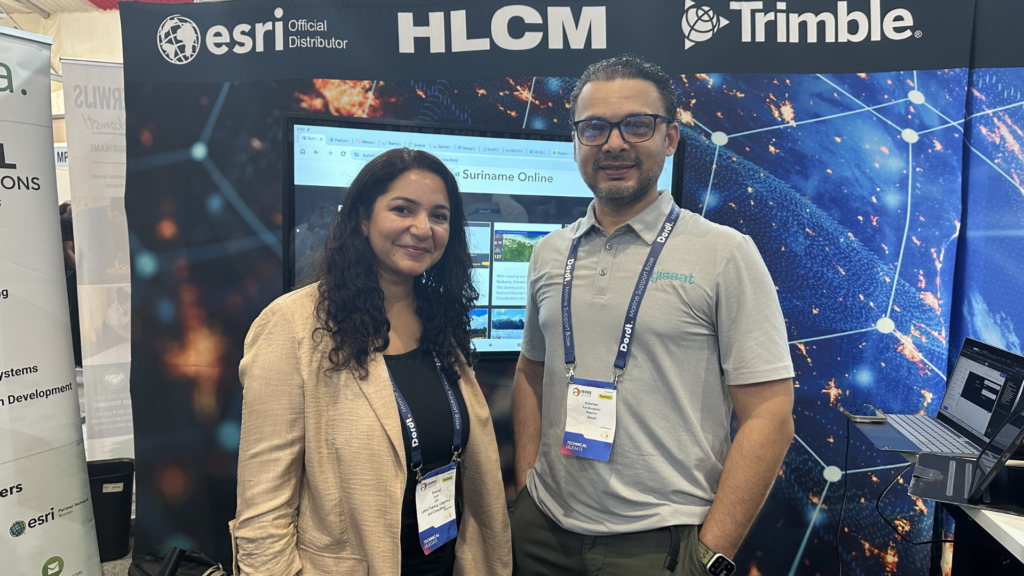
Over the years, we’ve worked alongside organizations that are modernizing their infrastructure, adopting international certifications, integrating geospatial intelligence, implementing AI tools, while simultaneously developing their leaders, strengthening team dynamics, and building cultures of accountability.
Because sustainable growth requires both.
And perhaps that is the real conversation for 2026.
Not just: “How fast are we growing?”
But: “Who are we becoming as we grow?”
A Reflection for All of Us
Suriname is changing.
Slowly. Surely.
Opportunity is not coming, it is already here.
The defining factor will not be capital alone. It will be the capacity of our leaders to manage that capital with wisdom, discipline, emotional strength, and integrity.
So, the reflection becomes personal.
Am I preparing myself for the level I say I want for Suriname?
Am I developing the leadership maturity required for greater responsibility?
Am I raising my standards as intentionally as my organization is raising its policies?
Suriname is growing.
If we lead intentionally, it will not just grow. It will rise.
And that rise begins with us.
Below is a short teaser of this session: