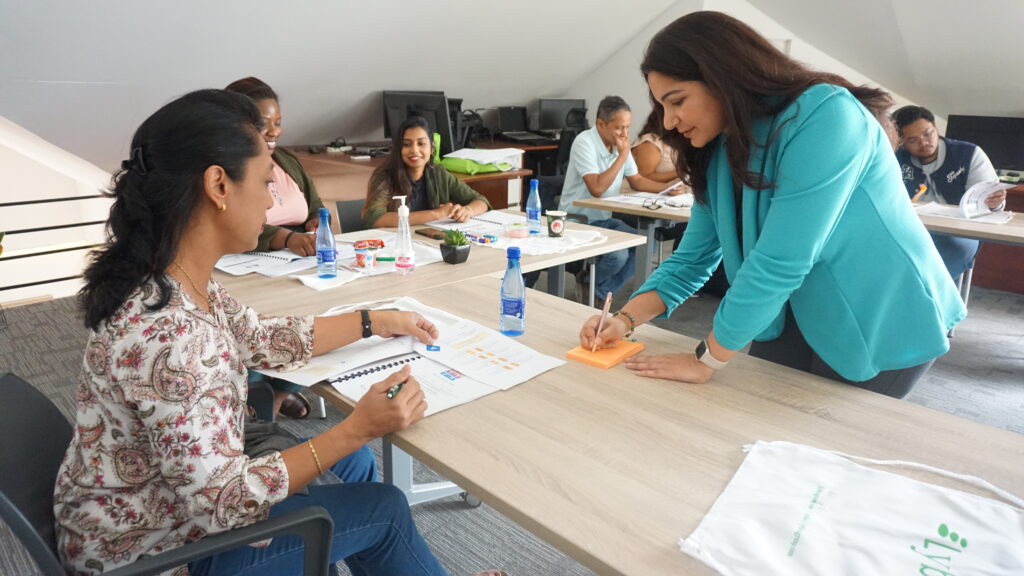
Lately, I’ve been noticing something in the teams I work with. People are busy. Calendars are full, meetings are back-to-back, messages keep coming in, and the day starts early and somehow ends late. And yet, when you pause and really look at it, there’s still a sense of overwhelm. A feeling of not moving forward fast enough. A quiet frustration that, despite all the effort, something is still off.
I had a senior leader say to me recently: “I don’t even know what a normal pace feels like anymore.” She wasn’t complaining. She said it like it was just the truth. And I think for a lot of people right now, it is. Which is what keeps bringing me back to this question: are we truly being productive, or have we just become very good at being busy?
The Hidden Cost of Constant Activity
When we operate in constant “busy mode,” something shifts, not just in our schedules, but in how we think and lead. We become reactive instead of intentional. We prioritize urgency over importance. We move quickly, but not always in the right direction.
Over time, this leads to more than just inefficiency. It leads to mental fatigue, emotional exhaustion, shorter attention spans, and lower-quality decisions. And eventually, burnout, not always the dramatic kind, but the quiet kind. The kind where people are still showing up, but with less energy, less clarity, and less engagement than they once had.
When Busy Becomes the Standard
Somewhere along the way, being busy has become a sign of importance. If your calendar is full, you must be needed. If you’re constantly responding, you must be contributing. If you’re exhausted at the end of the day, you must have worked hard. But busyness is not the same as effectiveness, and in many organizations, this confusion is slowly draining teams without anyone really noticing it at first.
Because on the surface, everything looks like it’s moving. But underneath, people are tired, decisions are delayed, focus is fragmented, and the work that truly matters keeps getting pushed aside.
Productivity Requires Clarity, Not Just Effort
Real productivity looks different. It’s not about doing more, it’s about doing what matters, and having the focus and discipline to stay there. Not every task deserves the same level of attention. Not every meeting deserves a place on the calendar. And energy, not just time, is a resource that needs to be actively managed. Because a full day does not always equal a meaningful day.
What I Often See in Teams
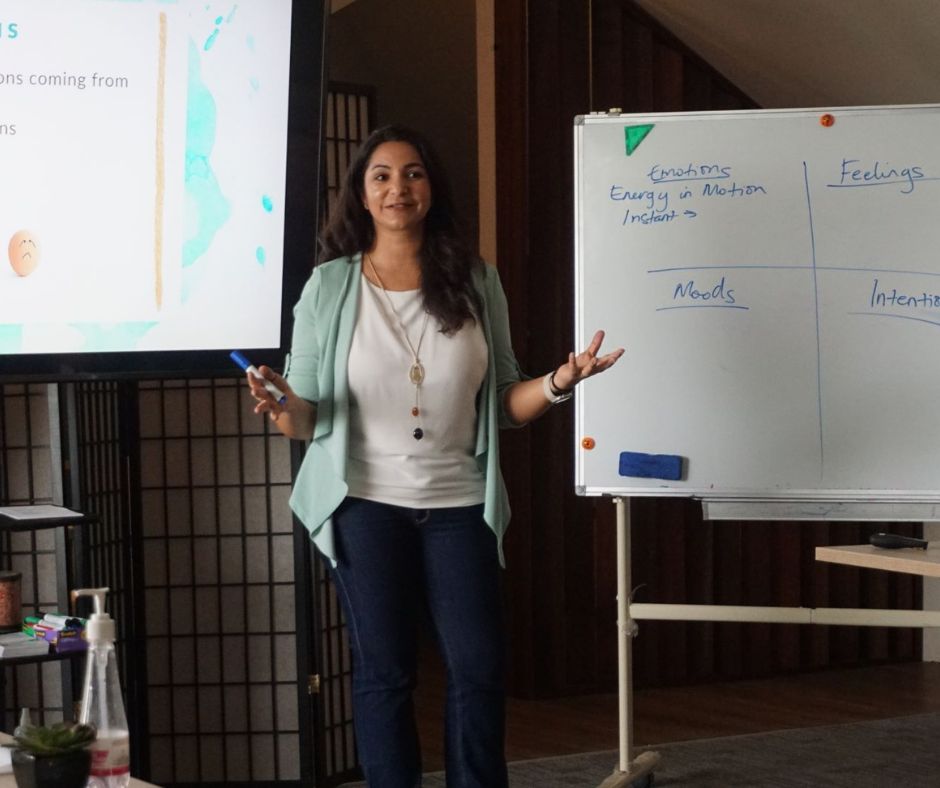
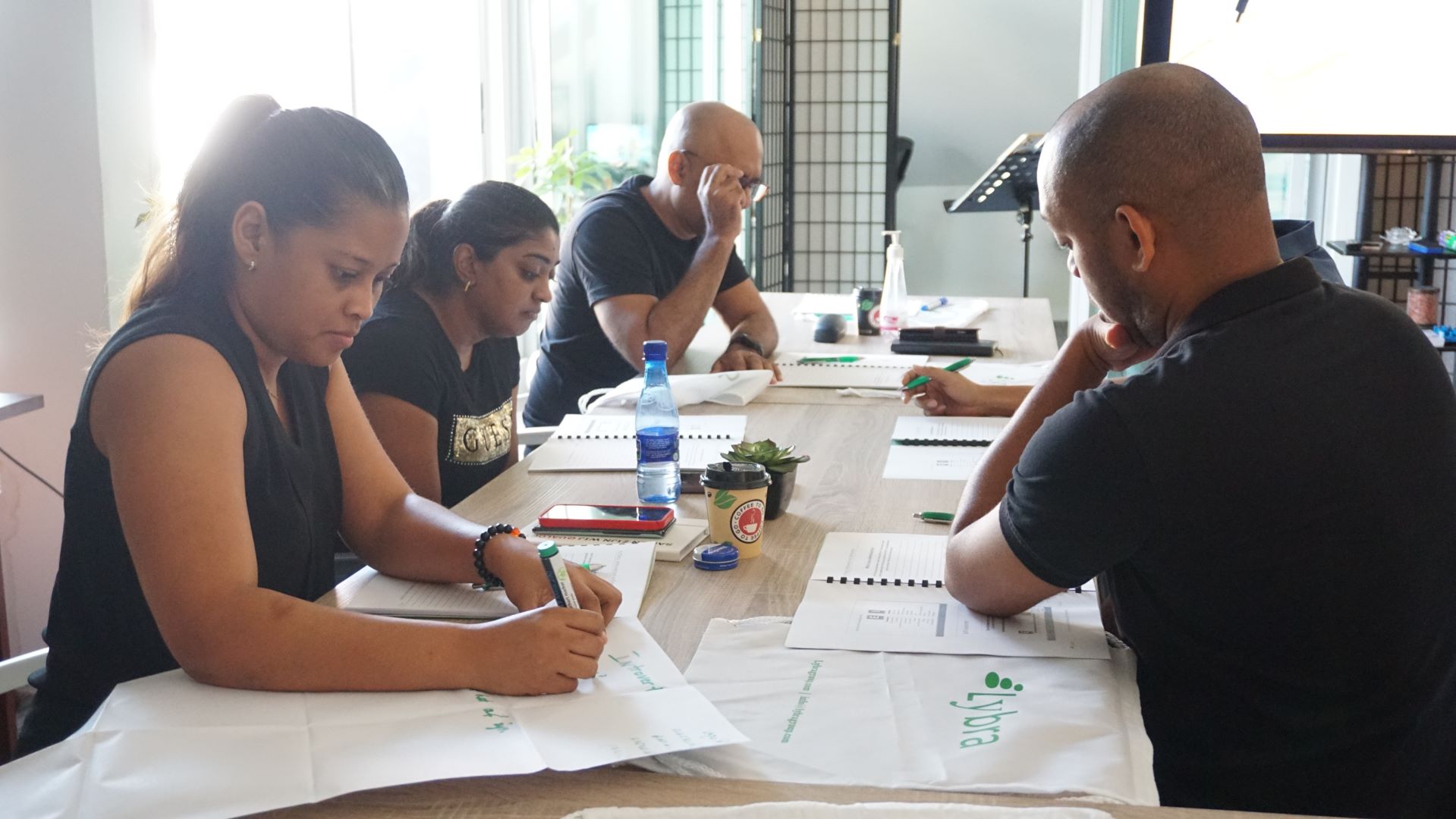
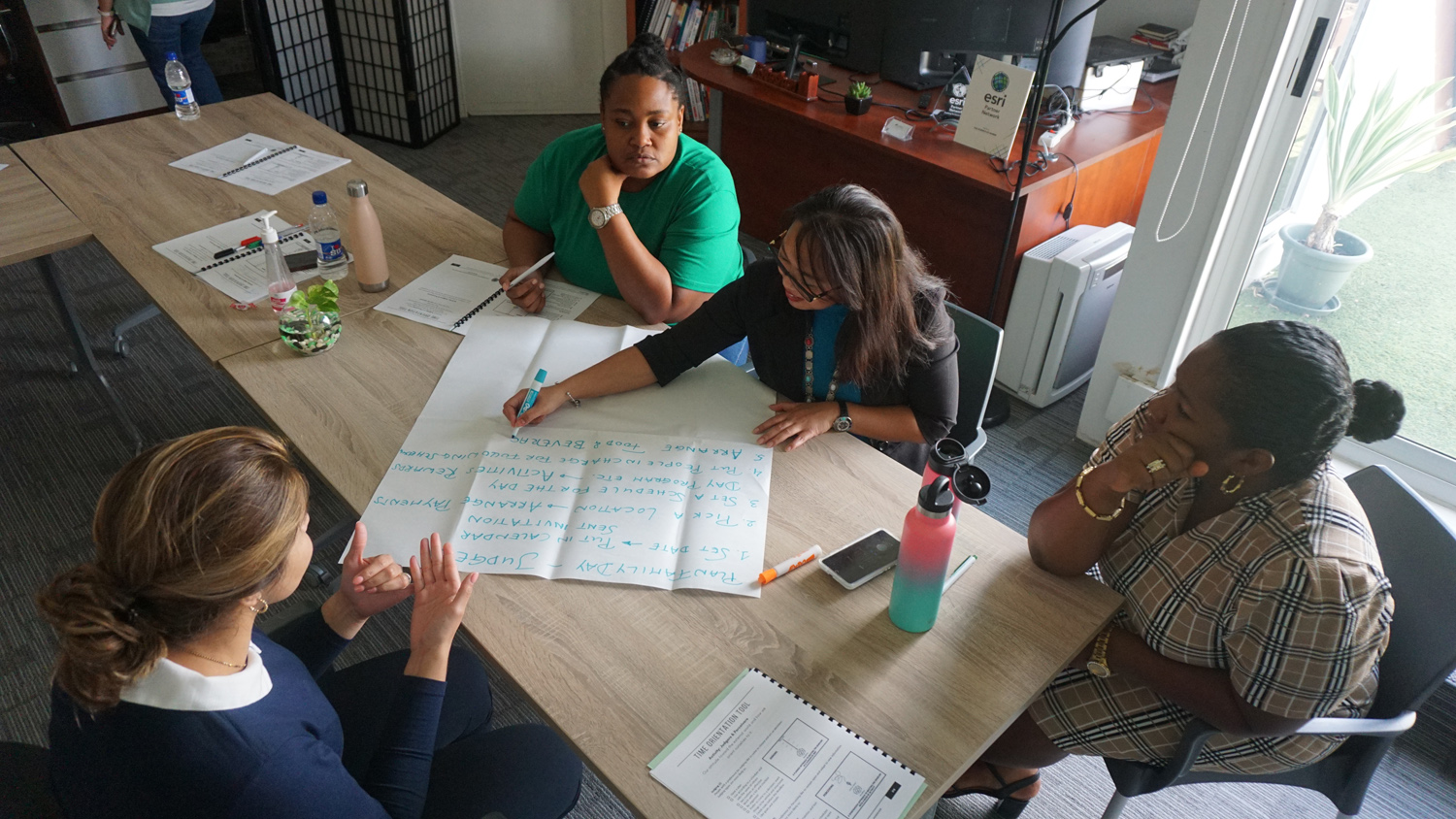
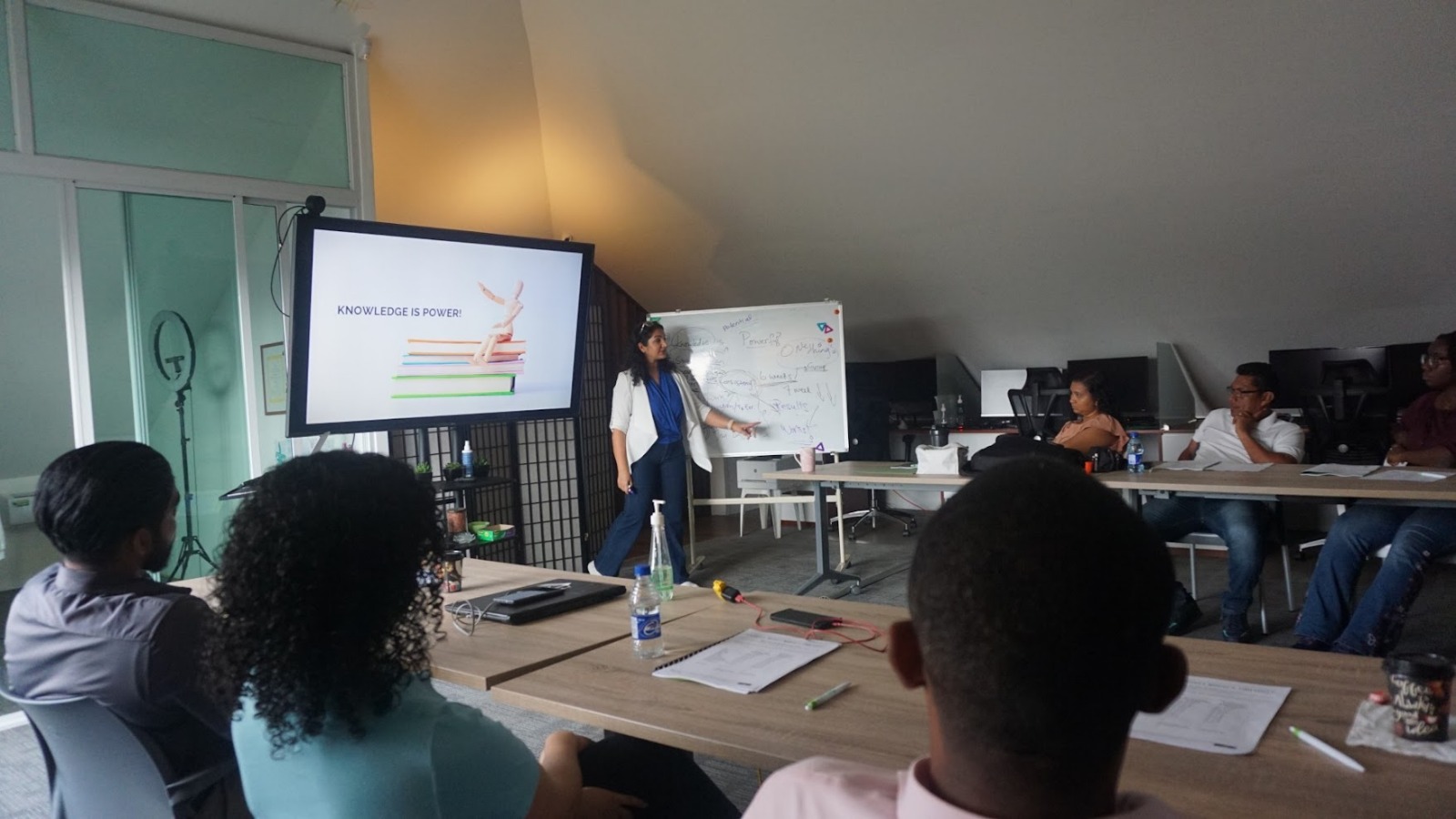
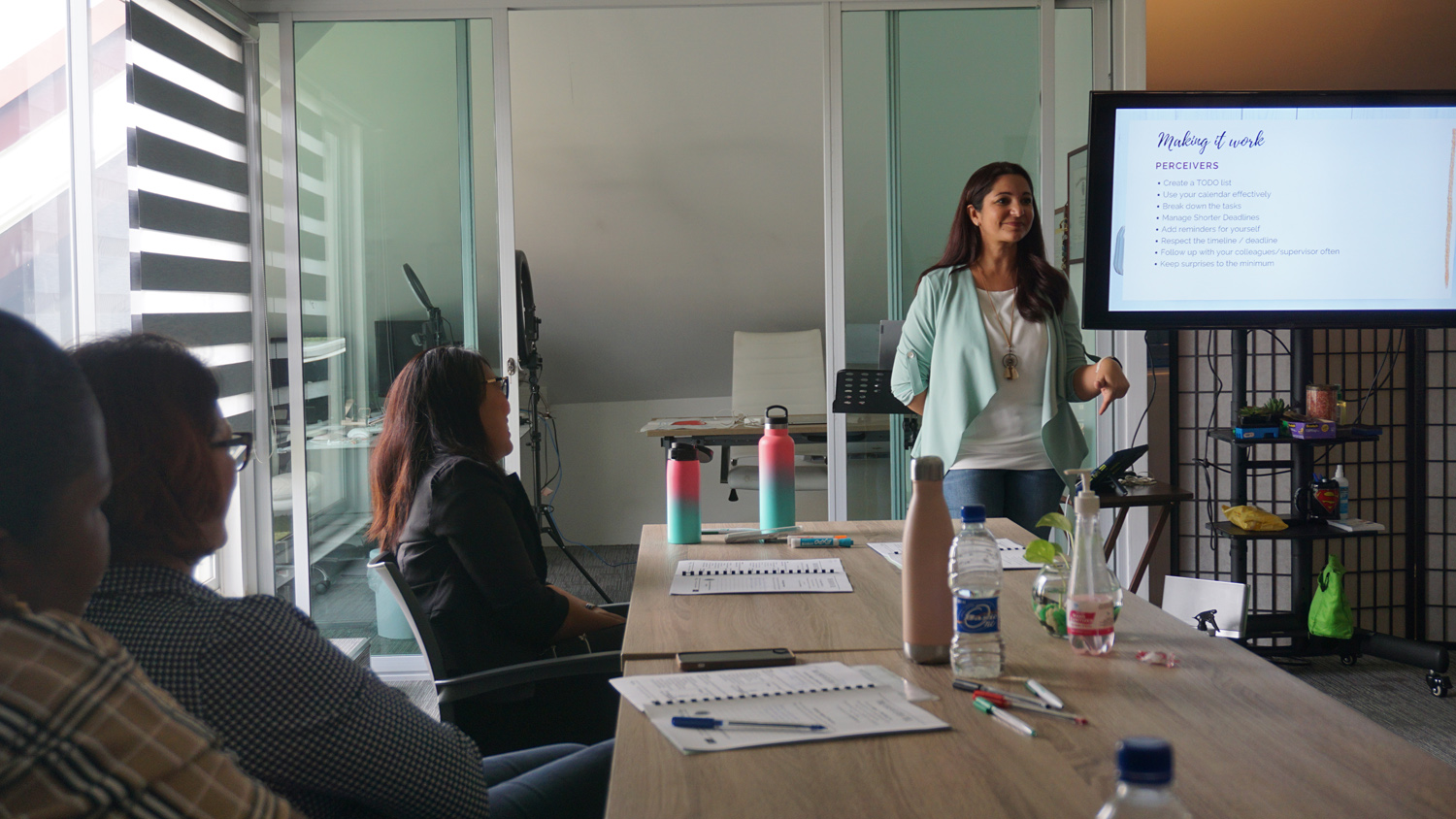
In many of the workshops I facilitate, one exercise consistently creates a moment of genuine awareness. When people pause to look at how they spend their time, there is often real surprise. Time is going into unnecessary meetings, constant interruptions, rework caused by a lack of clarity upfront, and tasks that could have been delegated. And very little time is left for deep, focused work, not because people are not capable, but because they are caught in a system that quietly rewards activity over impact.
A Small but Important Shift
The shift doesn’t have to be dramatic, but it does have to be intentional. What I’ve seen work, in teams and in individual leaders, is one simple reframe: stop asking “What did I do today?” and start asking “What moved because of me today?” Those are very different questions. The first measures activity. The second measures impact.
When you start leading from that second question, something changes, not just in how you plan your day, but in how your team experiences your leadership. You start protecting time for the work that actually matters. You start saying no to what is merely urgent. You start noticing when your energy is low and adjusting accordingly, rather than pushing through at full speed and wondering later why the quality dropped. This is not about doing less. It’s about doing with more awareness.
A Reflection for Leaders
For leaders, this is not just a personal productivity conversation, it’s a culture conversation. Because teams take their cues from what they see modeled, not from what they’re told in a meeting. If busyness is quietly rewarded, it spreads. If availability at all hours is normalized, exhaustion becomes a badge. If there is no space to pause and think, reactive becomes the default mode for everyone.
But the reverse is also true. When a leader protects their own focus, it gives others permission to do the same. When a leader pauses in a meeting to ask “is this the best use of our time right now?”, it shifts the culture of that room. When rest and reflection are treated as legitimate parts of the work; not as luxuries or signs of slowing down, teams begin to function at a different level. This is quiet leadership, and it is often more powerful than any strategy document.
A Final Thought

The pressure to do more is not going away. If anything, it will increase. But I’ve come to believe that the leaders and teams who will sustain both their performance and their wellbeing are not the ones who figure out how to fit more into the day. They are the ones who get clear on what the day is actually for.
Being busy can fill a calendar. Being productive moves something forward. Being intentional changes what’s possible. And that last one — that’s where the real work begins.
Reach out to us at info@lybragroup.com or visit www.lybragroup.com.