It’s hard to go through a single week now without hearing about AI.
Some conversations are filled with excitement. Others are filled with uncertainty. For many leaders and teams, it feels like the workplace is shifting faster than ever before.
New tools are appearing daily. Tasks that once took hours can now be completed in minutes. Meetings are summarized instantly. Emails are drafted faster. Ideas are generated almost effortlessly.
And naturally, this brings an important question to the surface:
What does leadership look like in a world increasingly shaped by AI?
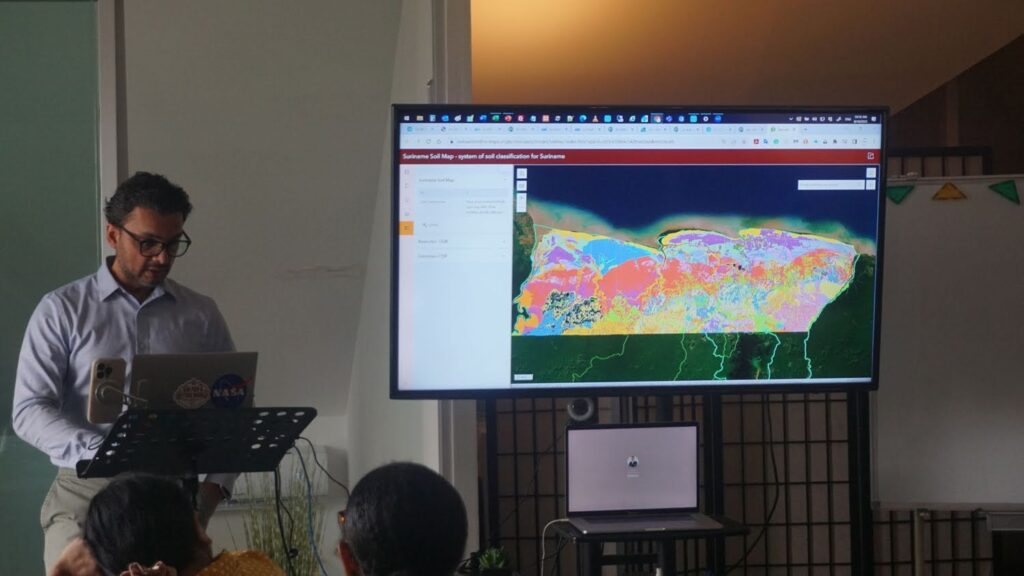
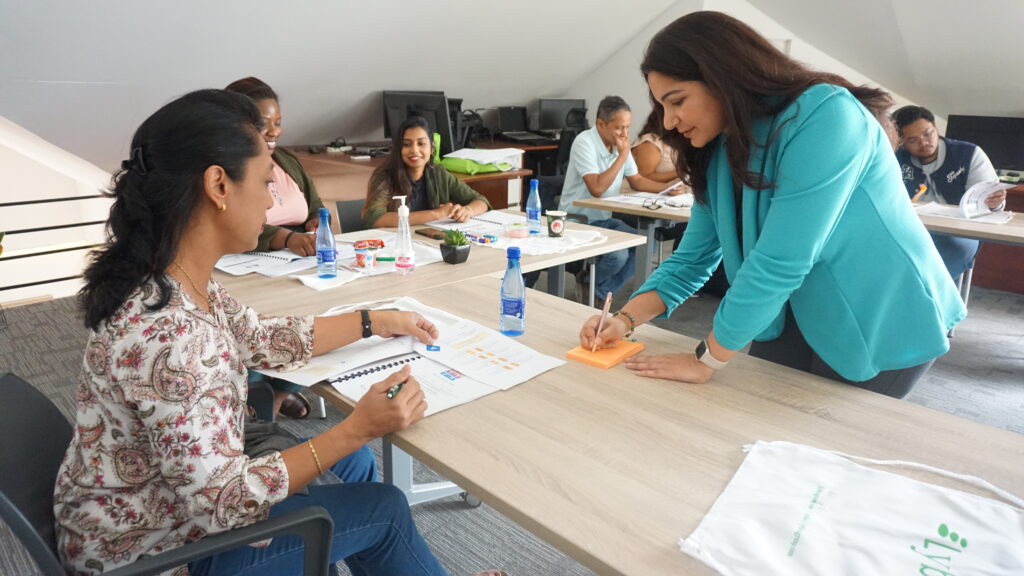
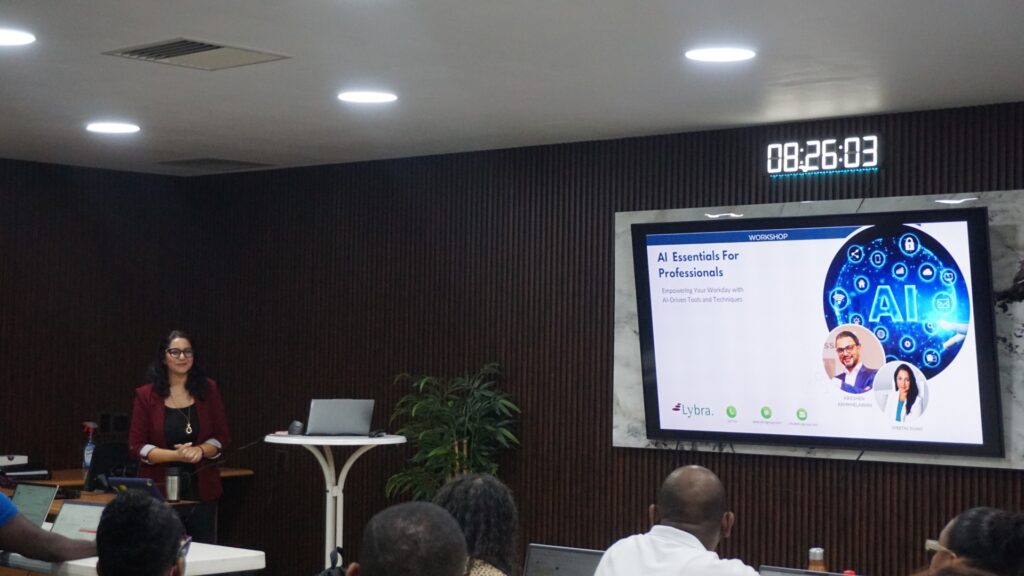
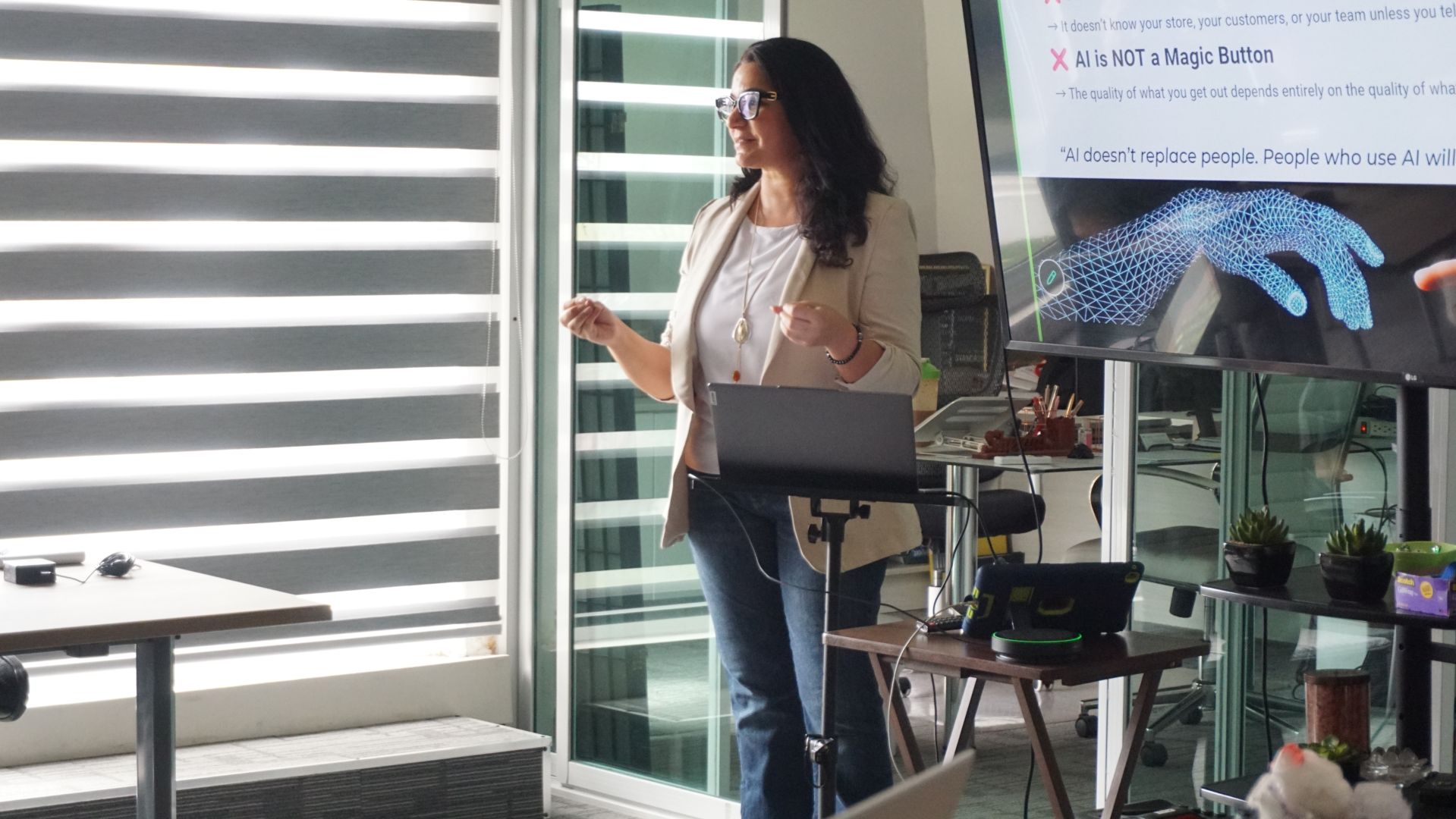
Over the past year, through the workshops we’ve facilitated at Lybra, I’ve noticed something interesting. The people who are showing up to learn about AI are not just from IT departments or technology companies. They are managers. Team leaders. Business owners. HR professionals. Educators.
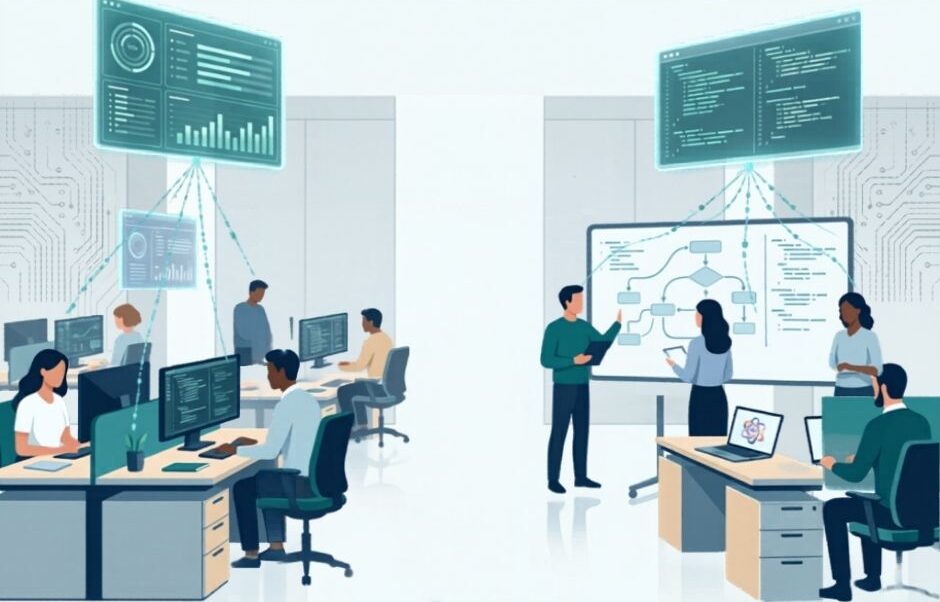
People are beginning to understand that AI is no longer a distant concept. It is becoming part of everyday work. And while there is understandable concern around automation and job disruption, I believe there is another side to this conversation that deserves more attention.
AI may be changing the workplace.
But human leadership still matters deeply.
Technology Can Accelerate Work, But It Cannot Replace Presence
AI is incredibly powerful when it comes to speed, efficiency, and support.
It can help organize information, simplify workflows, generate ideas, and reduce repetitive tasks. In many ways, it creates opportunities for people to work smarter rather than harder.
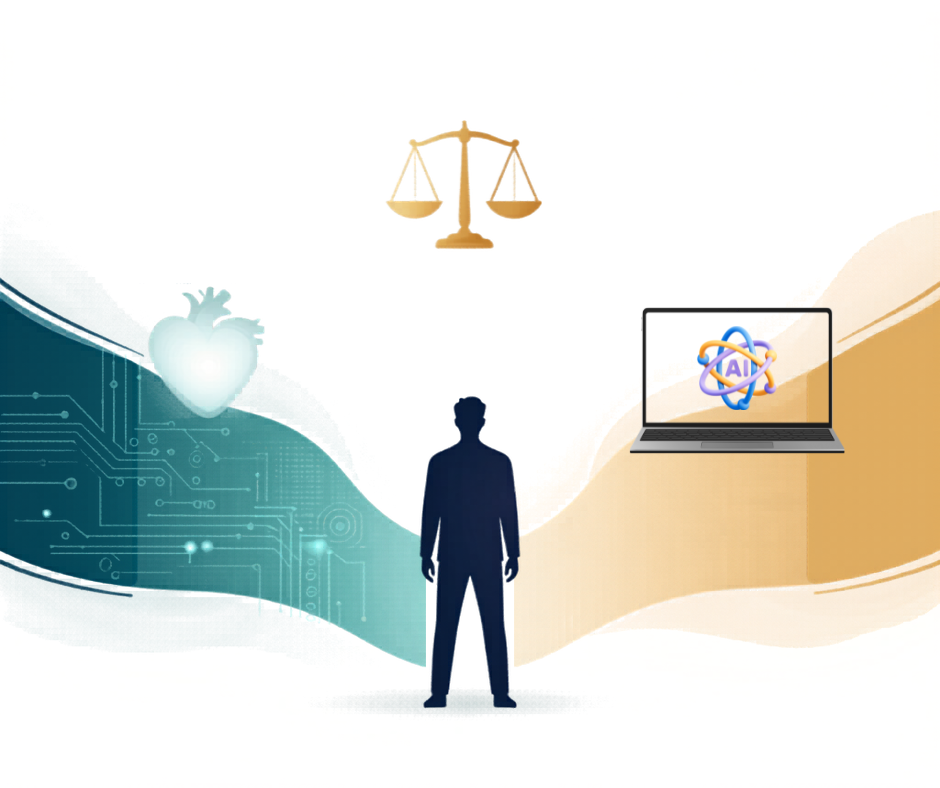
But leadership has never been built on tasks alone.
Leadership is built on conversations, in trust, in emotional awareness, in the ability to guide people through uncertainty. Those are deeply human experiences, and no tool, however sophisticated, can replicate them. A system can generate words, but it cannot replace genuine empathy.
It can analyze data, but it cannot read the quiet tension in a room after a difficult conversation, or sense what a team member needs before they’ve found the words to ask.
Technology can support leadership. It cannot replace human presence.
Human Skills Becoming More Important
Ironically, as AI becomes more integrated into the workplace, human-centered skills become even more valuable.
Communication matters more. Adaptability matters more. Emotional intelligence matters more. Because when change accelerates, people look for stability. They look for leaders who can create clarity, reassurance, and trust. This is why I believe the future of leadership is not simply digital.
It is deeply human.
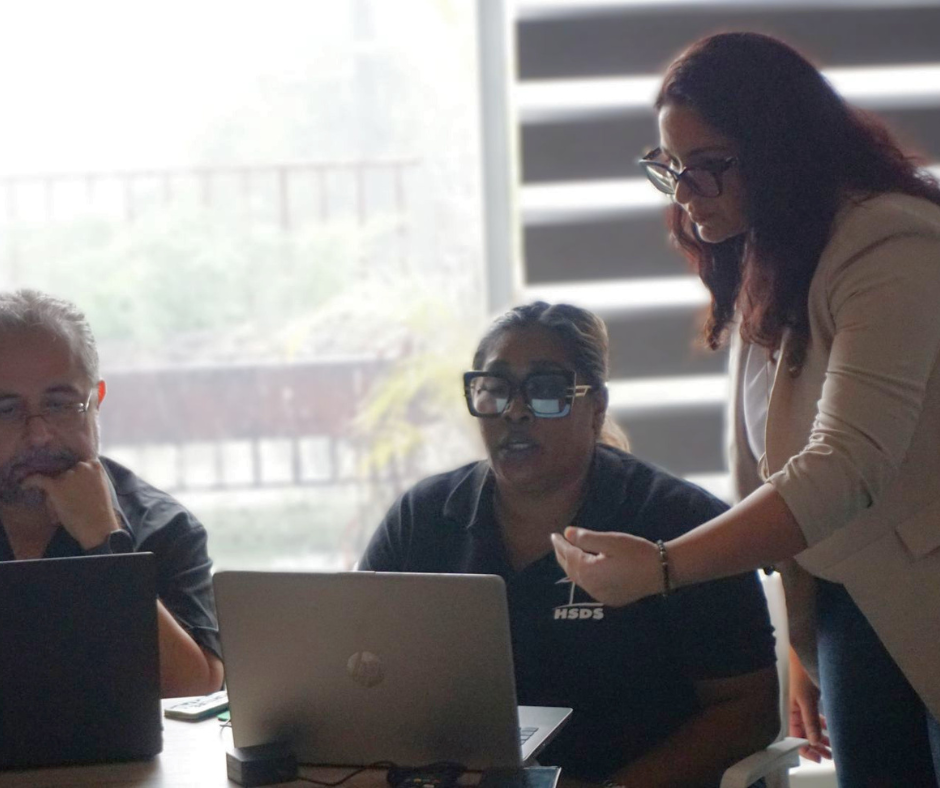
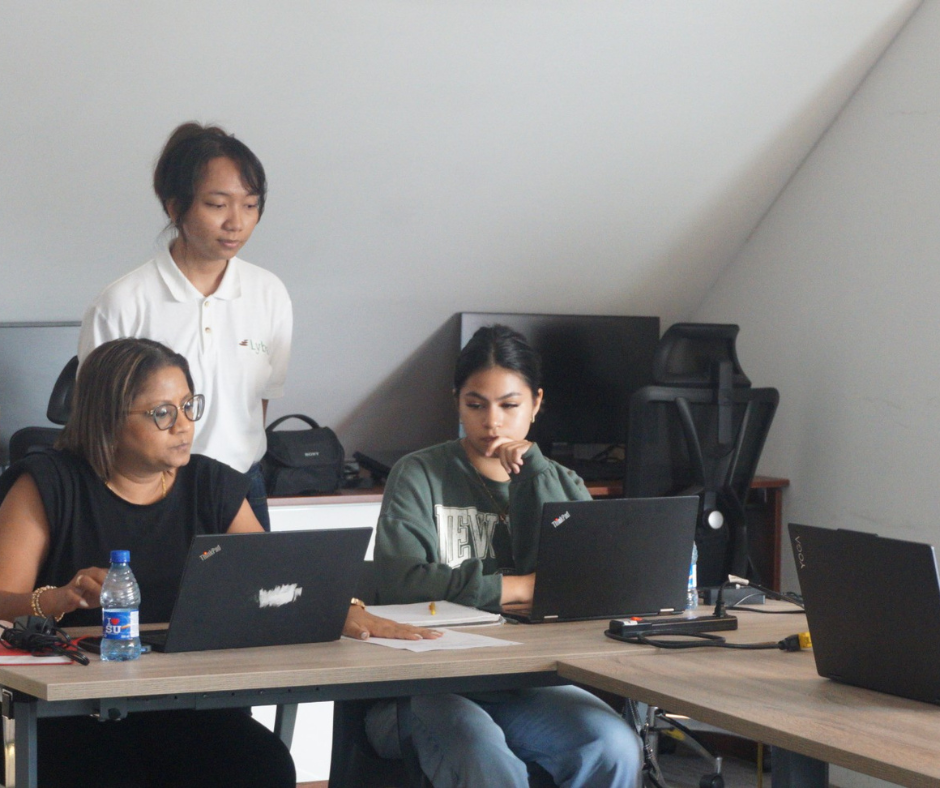
The leaders who will thrive in this next era are not necessarily the ones who know the most about technology. They are the ones who know how to combine technology with wisdom, emotional awareness, and ethical decision-making.
AI as a Support Tool, not a Replacement for Thinking
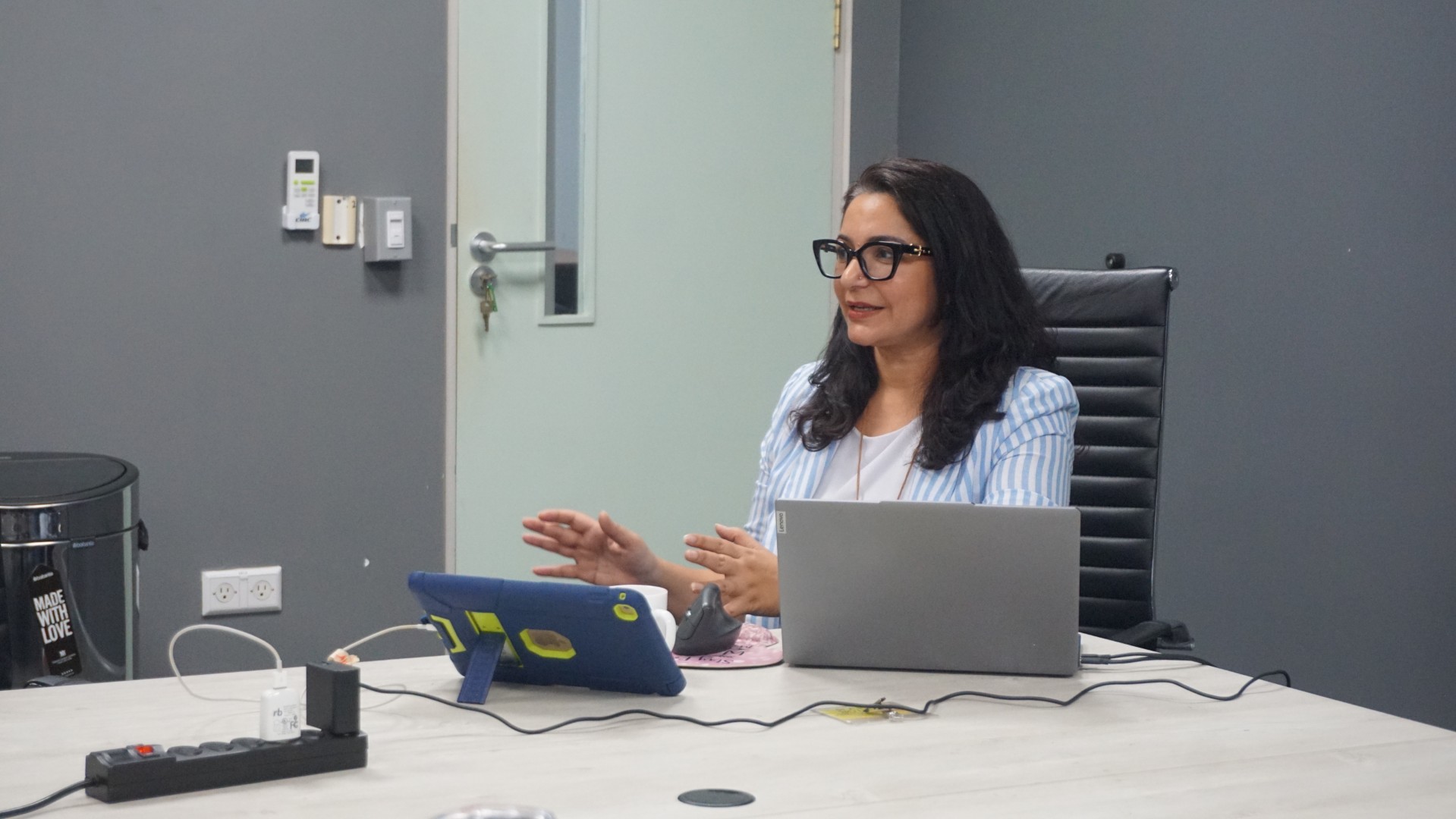
One of the things I return to often in our AI workshops is a distinction that I think matters enormously: there is a difference between using AI to support your thinking and using it to replace your thinking.
Used intentionally, AI creates breathing room. It handles administrative weight such as drafting, organizing, structuring, summarizing, so that leaders can redirect their energy toward what drives healthy organizations: connection, strategy, creativity, coaching, presence. Every hour recovered from repetitive work is an hour that can go back to people.
But that only works when leaders stay engaged. The risk is not the technology itself. The risk is the slow drift toward disengagement, outsourcing not just the tasks, but the judgment, the discernment, the awareness. Technology should enhance human capability, not quietly erode it.
The Role of Leaders in This New Era
Today’s leaders are being asked to do something complex:
embrace innovation while still protecting humanity within the workplace.
That means helping teams adapt without creating panic. It means creating environments where learning is encouraged rather than feared. It means understanding that digital transformation is not just about systems, it is also about emotions, culture, and trust.
Because behind every new technology are human beings trying to navigate change. And people do not simply need information during times of transition. They need leadership.
A Personal Reflection
What gives me hope is that I am seeing more professionals become genuinely open to learning, adapting, and growing. I see leaders asking better questions. Teams are becoming curious instead of resistant. Organizations are beginning to recognize that investing in people is just as important as investing in technology.
And perhaps that is the real opportunity before us, not choosing between technology and humanity, but learning how to integrate both wisely.
At Lybra, this is something we believe strongly in. Digital transformation and people transformation must happen together. Because no matter how advanced technology becomes, organizations will still rise or fall based on communication, trust, emotional intelligence, and leadership maturity.
Those things still matter. And they always will.
A Thought to Take with You
The future of work may include AI in almost every industry. But the future of leadership will still require human beings who know how to listen, adapt, communicate, guide, and lead with integrity.
Technology will continue to evolve. But human connection, emotional intelligence, and purposeful leadership will remain timeless.
And that, I believe, is what matters most.
Reach out to us at info@lybragroup.com or visit www.lybragroup.com.