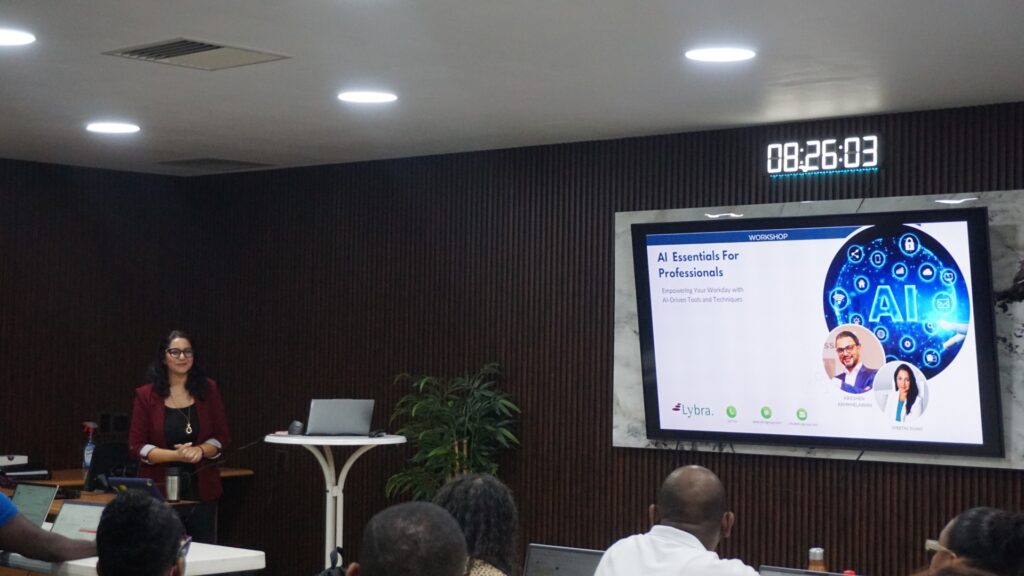
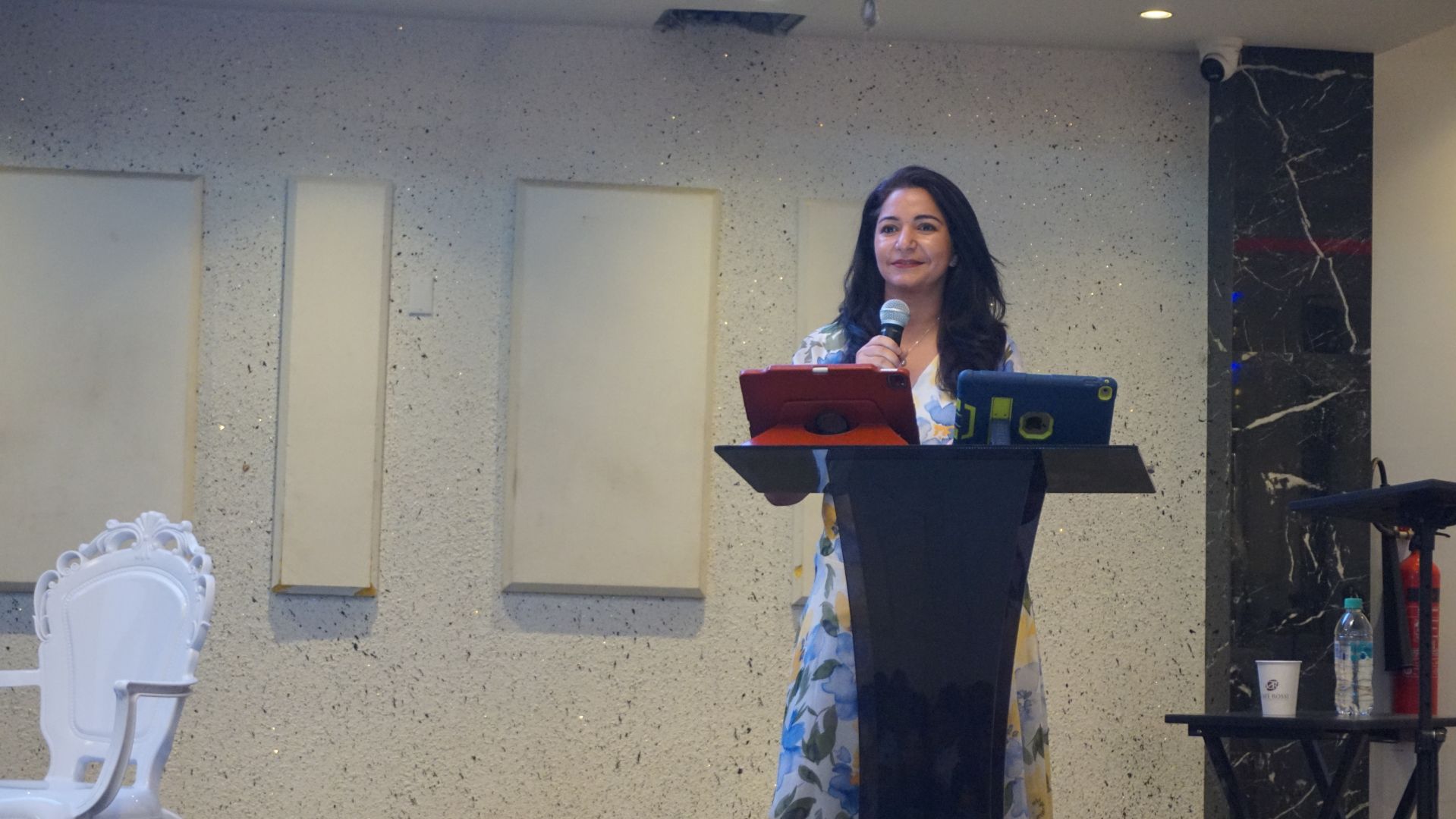
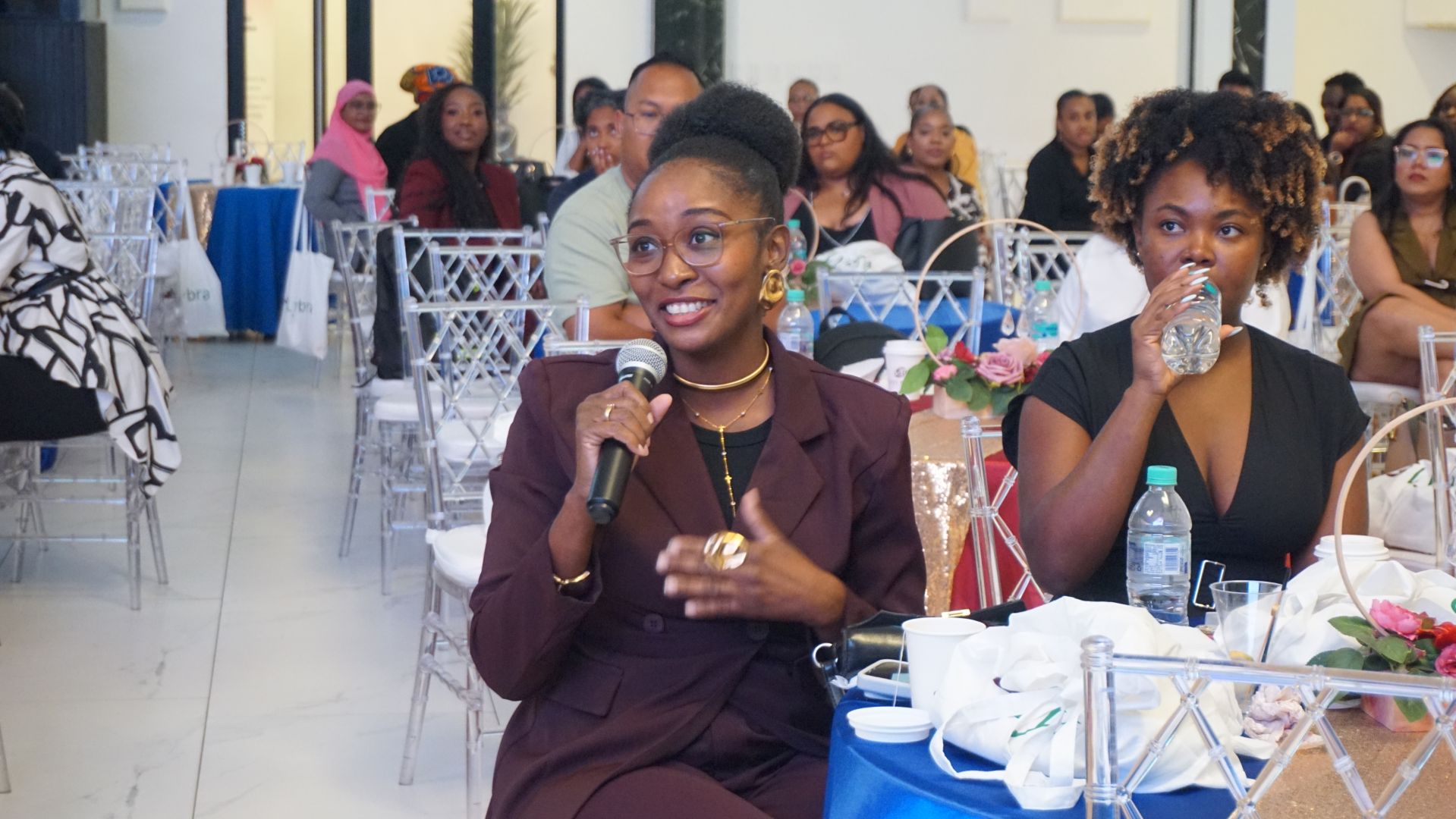
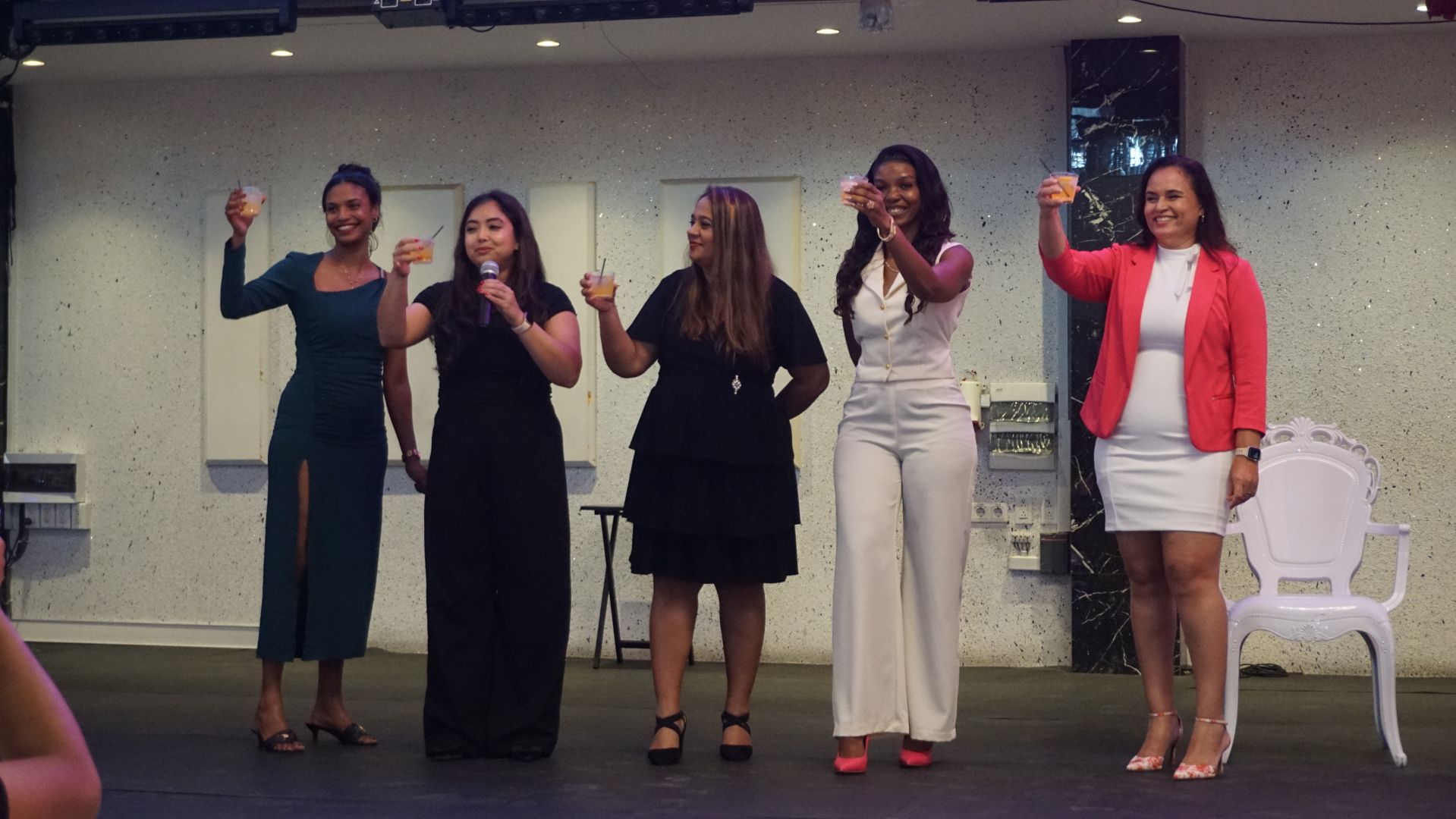
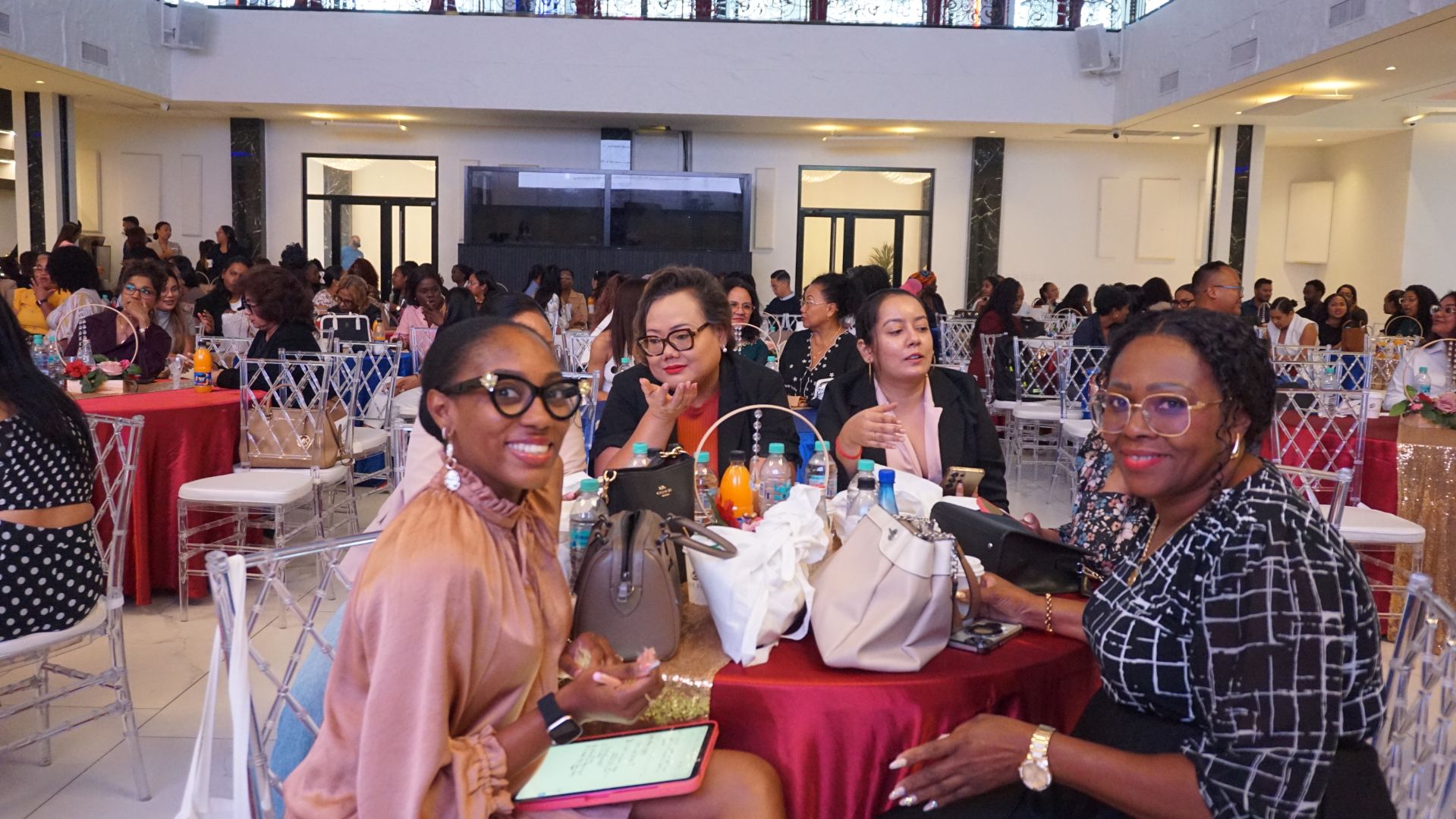
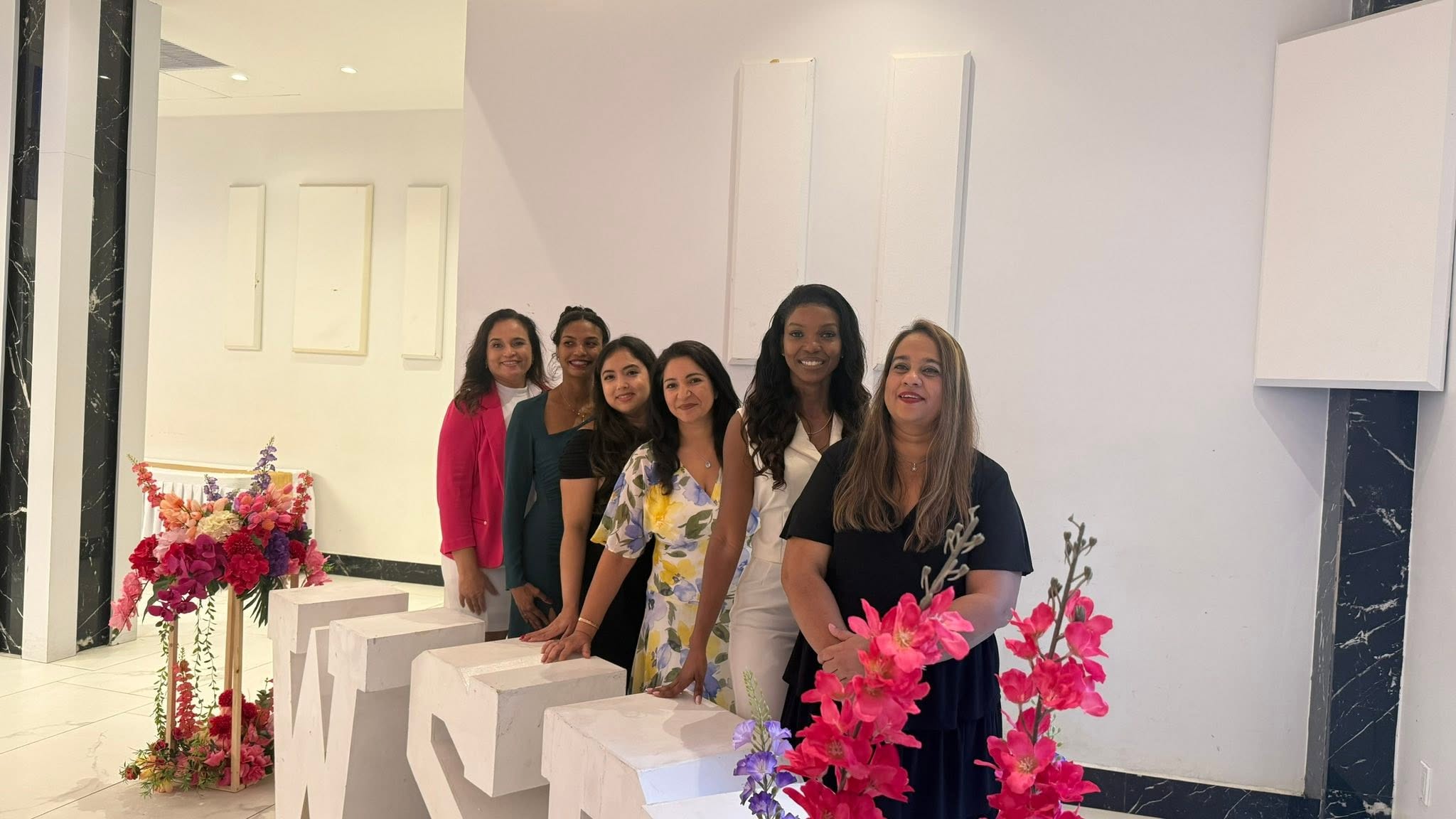
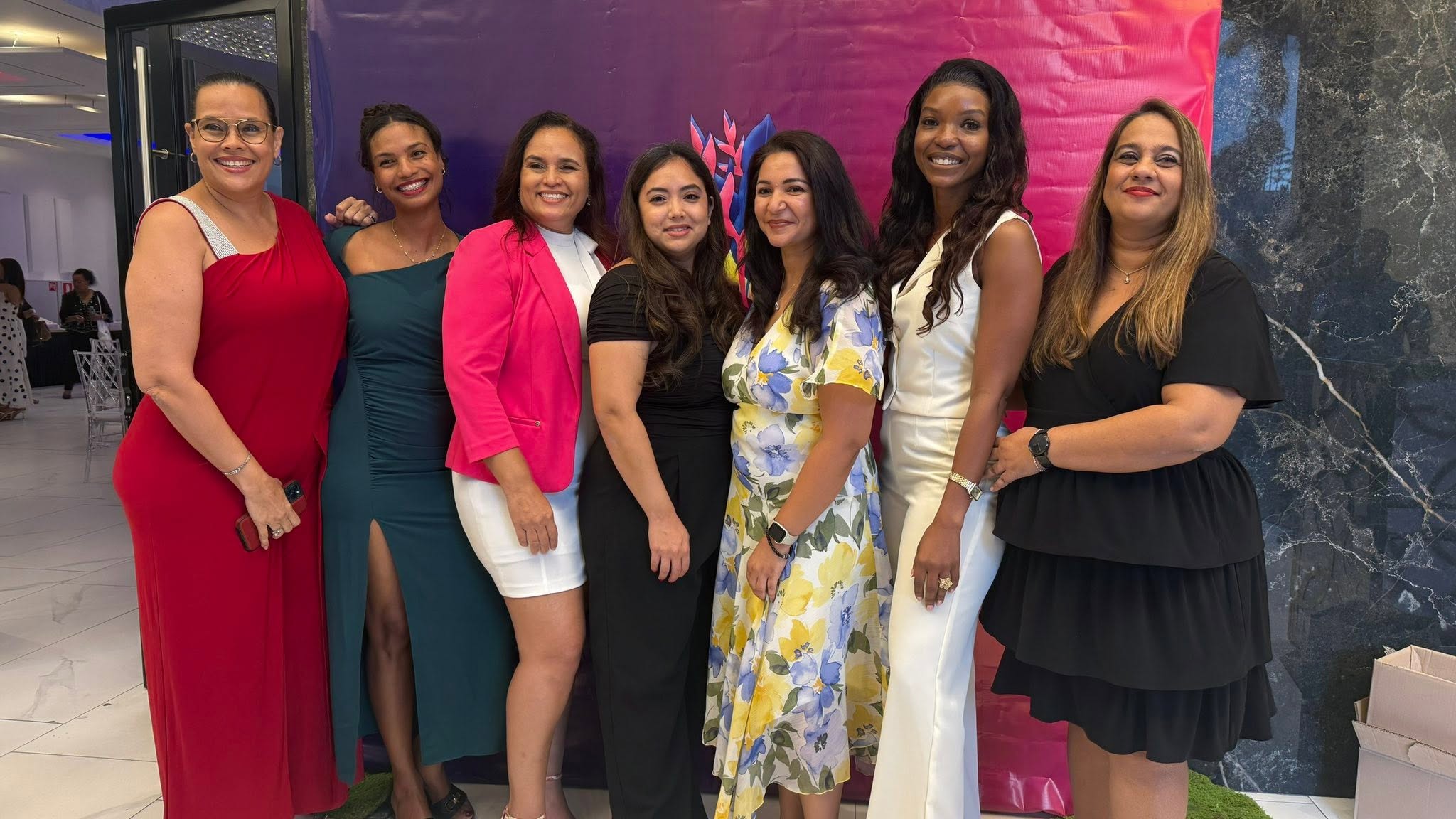
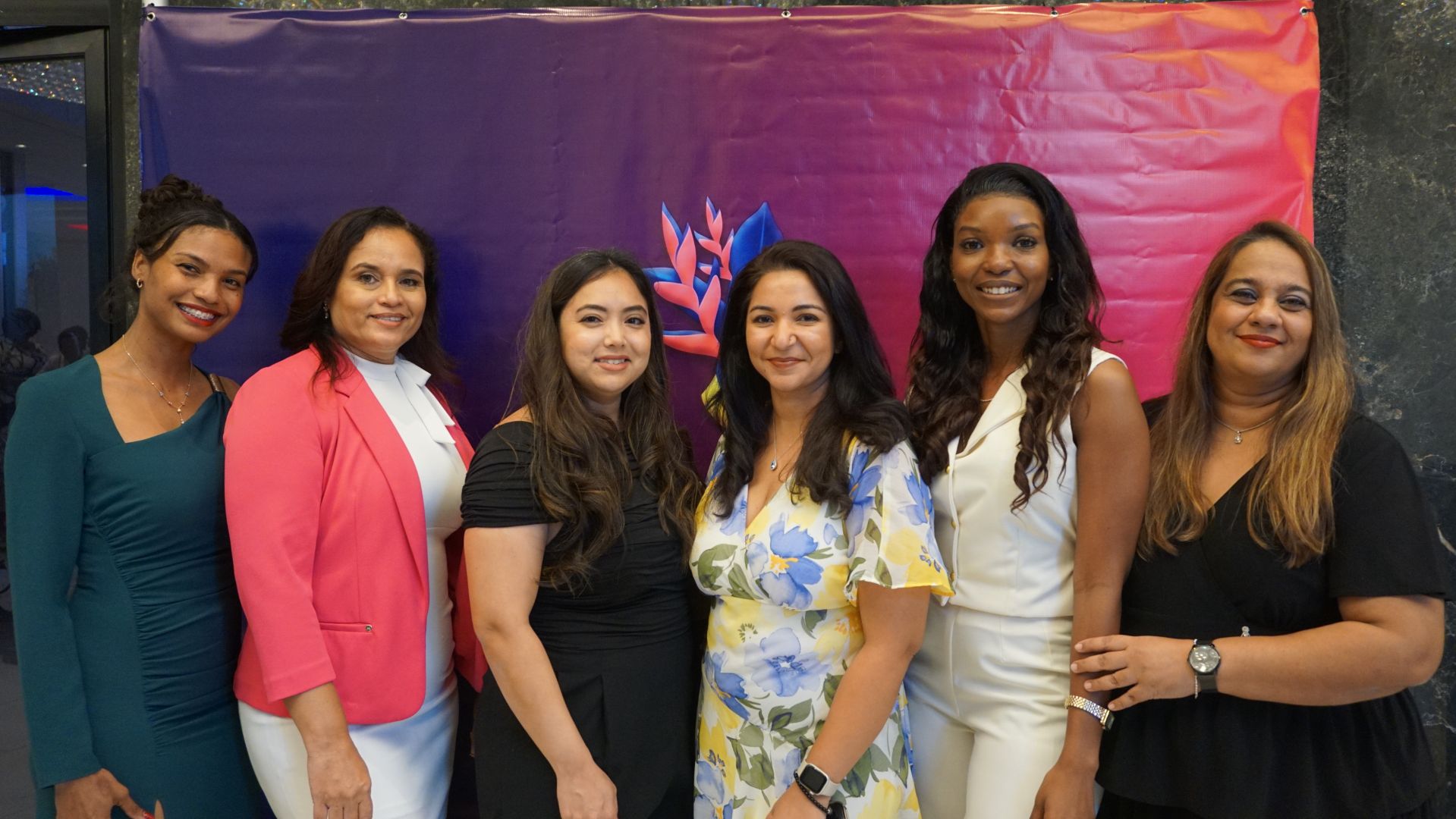
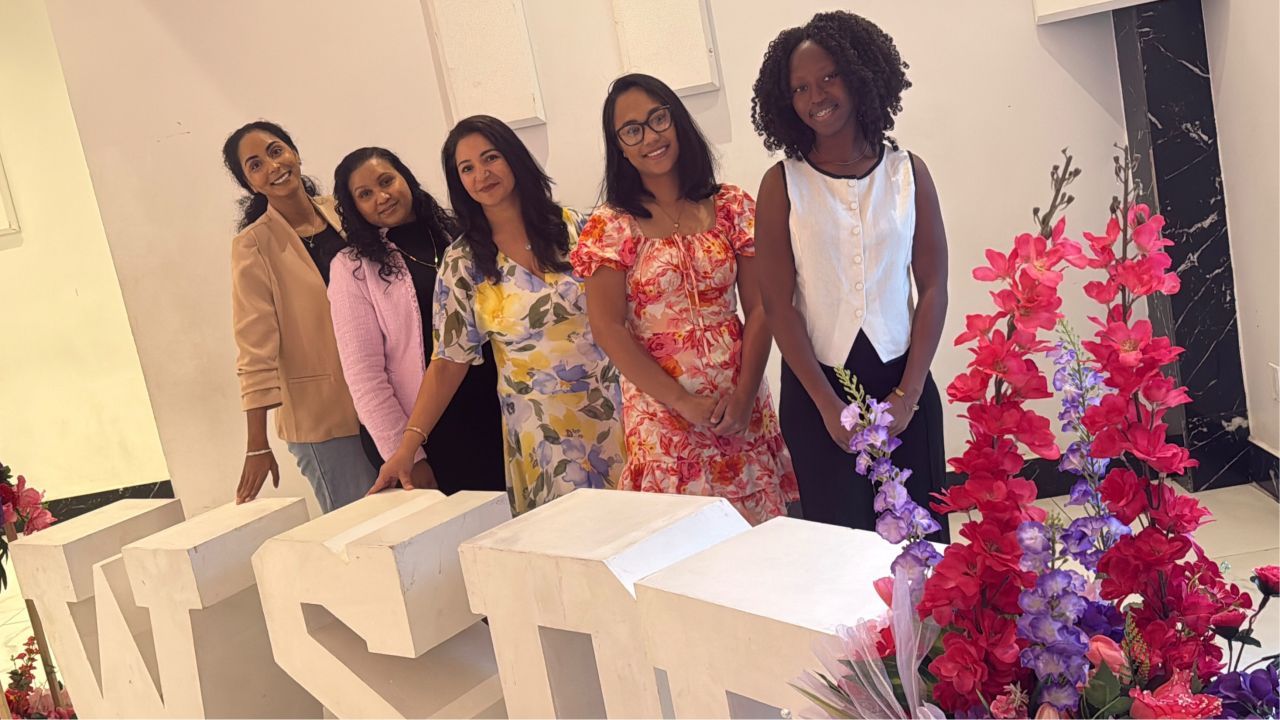
A glimps of the Women’s Leadership Summit 2026:
There is a particular kind of energy that exists in a room full of women who have spent the day telling the truth.
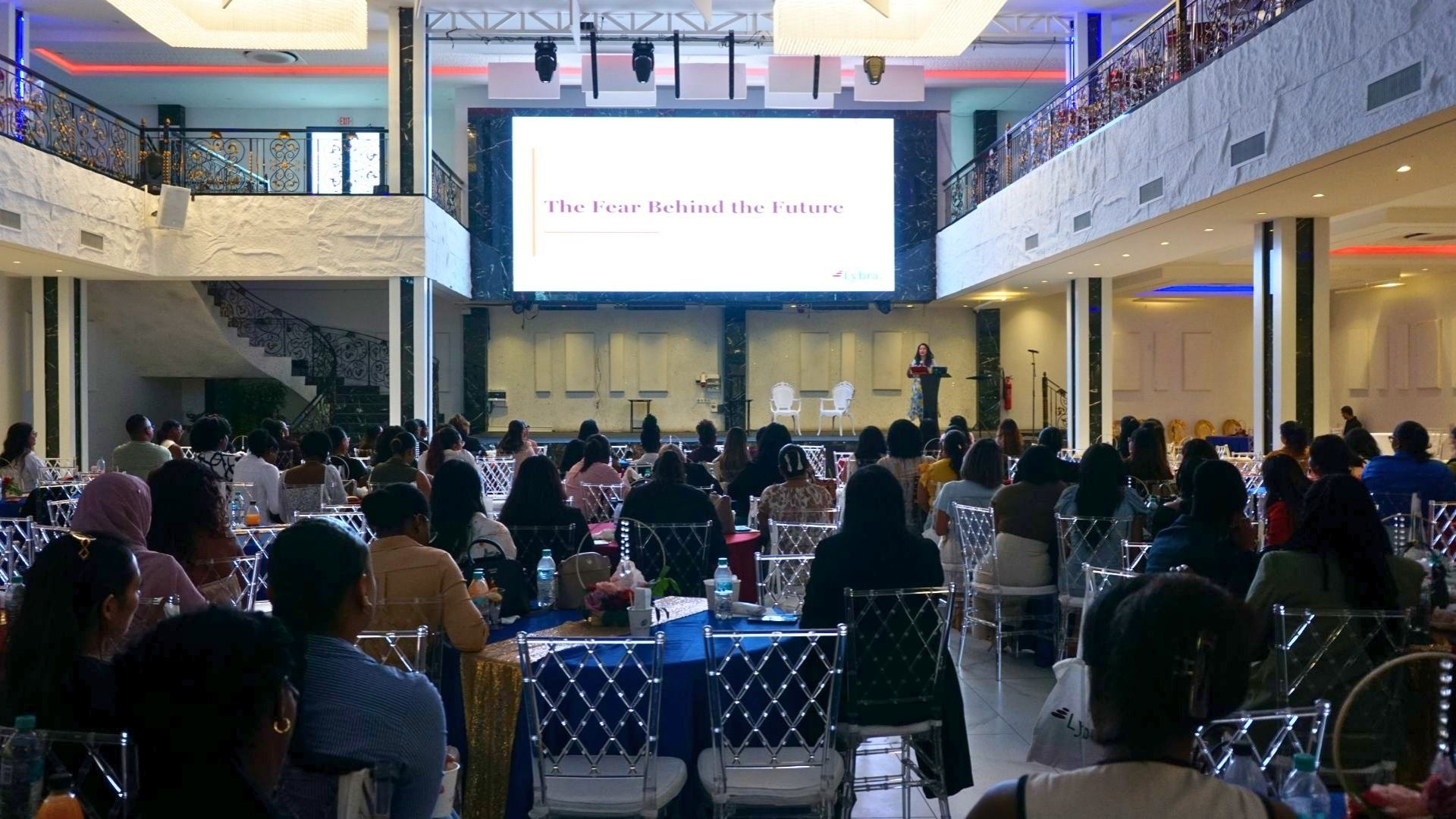
That is the energy I walked into when I took the stage to close the Women’s Leadership Summit 2026, an event hosted by the Women’s Development Sustainable Foundation, now in its fifth remarkable year. For the third time, I was honored to be invited into that space. And for the third time, I left changed by it.
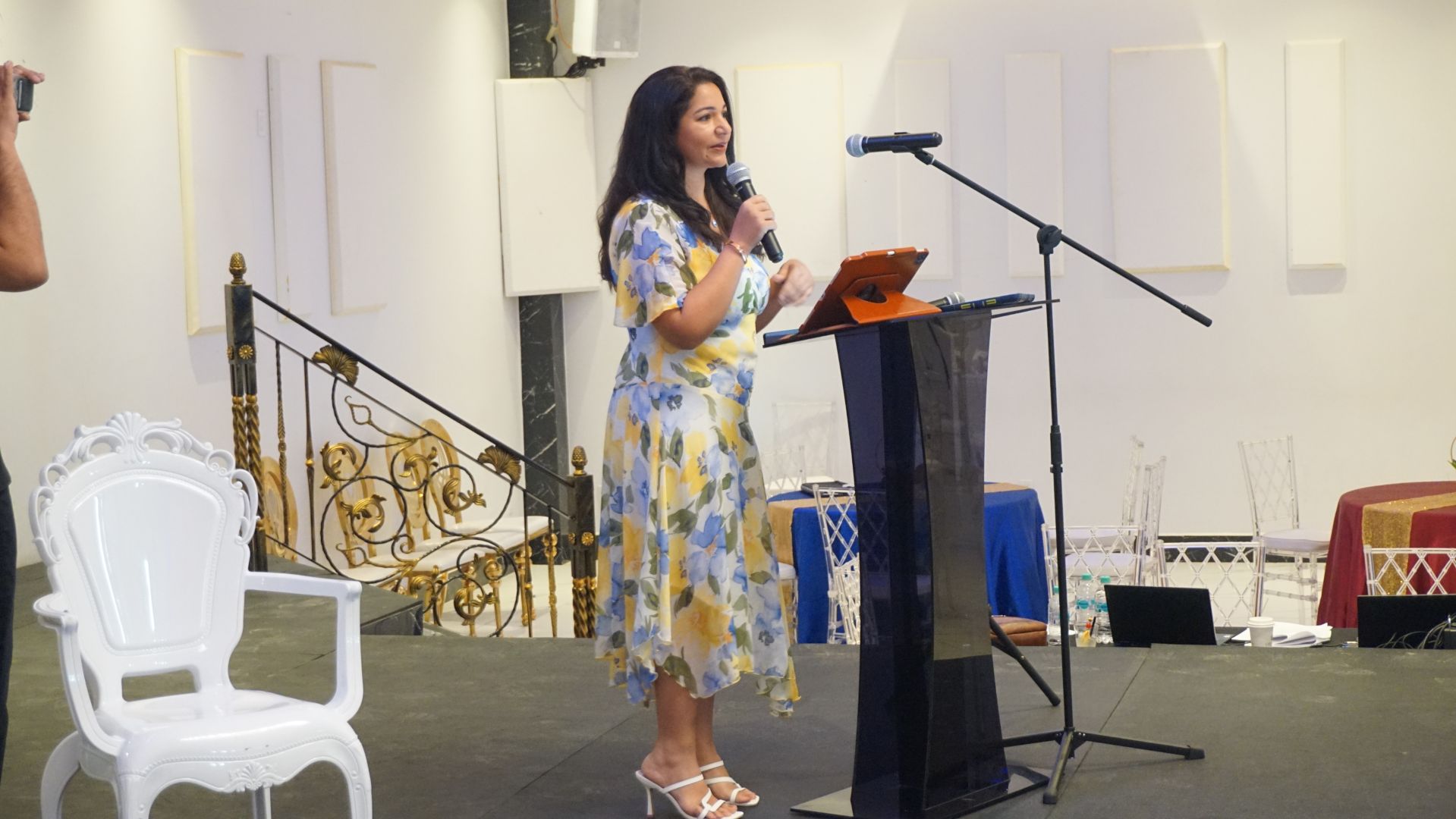
My session was called The Human Side of Leadership. But before I could get there, the day itself had already done something important. The women in that room had spent hours in deep conversation, about how leadership is evolving across corporate and government sectors, about the generational shift reshaping who leads and how, about what it costs personally to hold power, and how to find your own balance when the world keeps moving faster than any of us planned for.
By the time I stood up to speak, these women had already given a lot of themselves to the day.
What I wanted to give them back was something different. Not more analysis. Not another framework. A moment of stillness and a mirror.
But human leadership still matters deeply.
What we are losing without noticing
I opened by talking about fear. Not the kind that announces itself, but the quiet kind, the kind that makes a woman bite back an instinct, soften a decision, lead in a way that was built for someone else’s comfort rather than her own.
I opened by talking about fear. Not the kind that announces itself, but the quiet kind, the kind that makes a woman bite back an instinct, soften a decision, lead in a way that was built for someone else’s comfort rather than her own.
We talked about how women are extraordinary adapters. We read the room. We adjust. We make ourselves legible to whoever is sitting across from us. And over time, that adaptation becomes so automatic that we stop asking whether we are leading as ourselves and start performing a version of leadership we were never meant to inhabit.
I told them about a dinner I had with a friend, where we were talking about exactly this thing, about people pleasing and saying yes to the wrong things. And then, right in front of us, the restaurant brought me a soup I hadn’t ordered. When I sent it back, stayed in the conversation, and asked for what I wanted, a plate of mandarins arrived. The thing I had been craving before I even left home.
The room laughed. And then went quiet.
Because every woman in that room knew what it felt like to accept the soup that wasn’t ordered. To tell themselves it was close enough. To not want to make a fuss.
And every woman in that room knew, somewhere inside, that they had never gotten their mandarins.
What the age of AI is making more urgent
We are living in a moment of extraordinary disruption. AI is not coming , it is here, reshaping industries, roles, and the very pace of life itself. And while the efficiency it offers is real, the shadow side is equally real: everyone now expects faster. Faster decisions. Faster output. Faster reinvention. The machine saves time, and the world immediately fills that time with more demands.
I said something in that session that I believe deeply, as a professional and as a mother raising children in this era:
You may need to protect your humanness on purpose.
It will not happen automatically anymore.
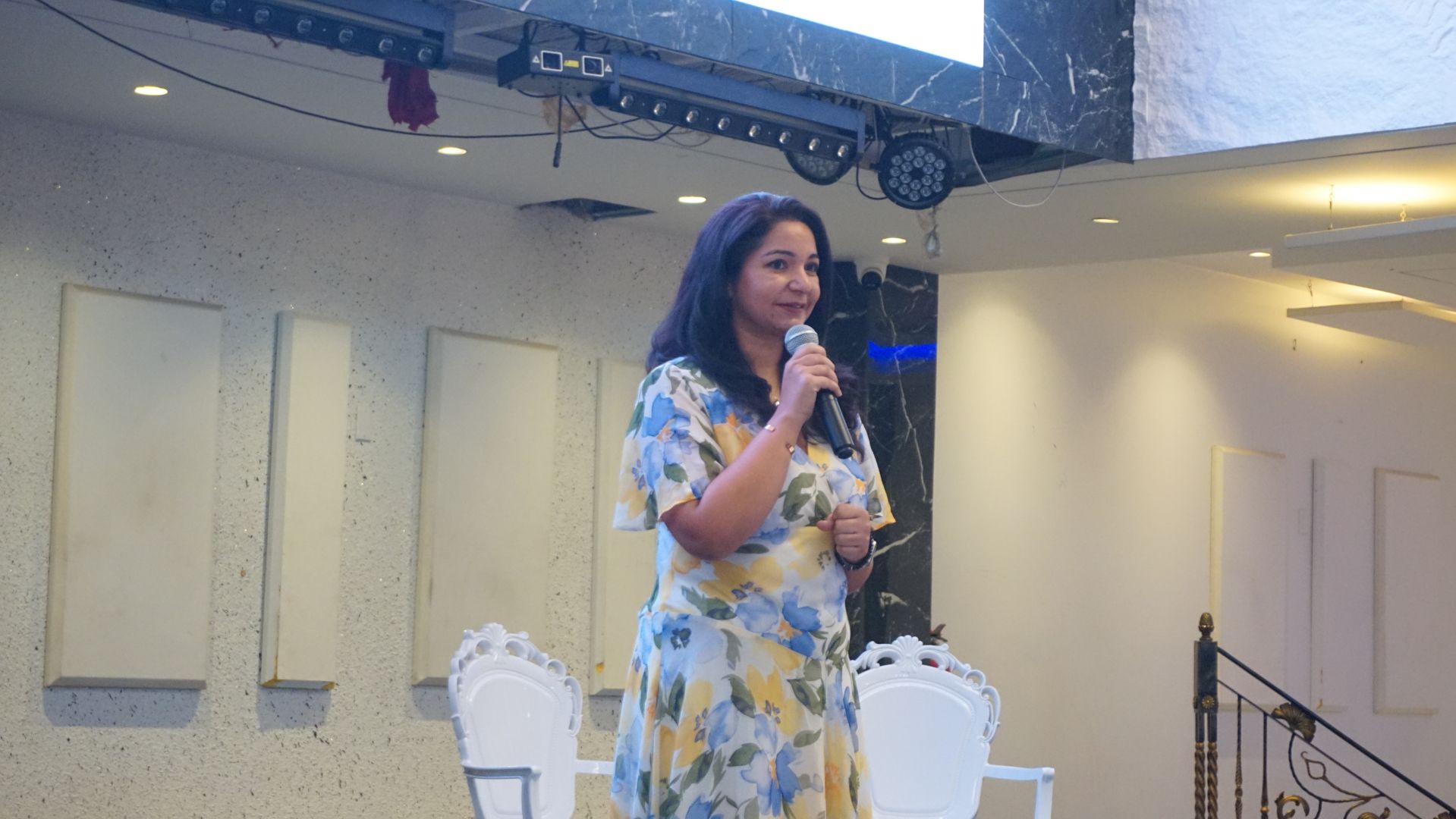
The skills that make a leader truly effective, emotional intelligence, self-awareness, the ability to sit with uncertainty, the courage to be vulnerable, the capacity to lead someone through grief or conflict or change with your full humanity present, none of those come from a tool. They come from experience. From real conversations. From the failures that broke something open in you. From the moments that introduced you to yourself.
That is what AI cannot replicate. And that is exactly what this moment in history is asking us to protect.
What happened when the room went quiet
Midway through the session, I asked the women to stop. To take seven minutes and reflect on three questions: what part of how they lead feels most authentically theirs, what part feels like a performance or an armor, and what is one thing they stopped doing as a leader that they once valued.
The silence was immediate. And it was the right kind of silence, not empty, but full.
Then I asked them to turn to someone they didn’t know well, ideally someone at a different stage of their leadership journey and share from questions one and three. Ten minutes of real conversation.
The room came alive.
Not loudly. Deeply. The kind of alive that happens when people feel permission to tell the truth, not the polished version, the real one. An emerging leader talking to a senior executive. A woman in government talking to a woman in corporate. Something passing between them that no conference panel or keynote could have created.
That moment reminded me of something I came back to again in this work.
The answers are almost always already there. People don’t need more information. They need a moment of stillness and permission to hear themselves.
What I want you to carry forward
As I closed the session, I left the room with three things.
1. You are more capable than fear has allowed you to believe. Every hard moment you have navigated as a leader, every decision made in the dark, every time you got back up was evidence of that.
2. Stop accepting the soup that wasn’t ordered. You know what kind of leader you are at your best. Trust it.
3. Protect your humanness on purpose. In the way you lead. In the way you listen. In the way you show up for the people who are watching you, including the ones you are raising. That is not a soft skill. It is your greatest competitive advantage. And it is the one thing no algorithm will ever replicate.
A note to those who were in the room
If you were at the Women’s Leadership Summit 2026, thank you. Thank you for the honesty you brought into that space. Thank you for the conversations you had with strangers that felt like they had been waiting a long time to happen.
The work you did in that room was not small. Carry it forward.
And if you weren’t in the room, the questions are still yours.
What part of how you lead feels most authentically yours? What have you stopped doing that you once valued? And what is your One True Thing, the honest thing about how you lead that you don’t want to forget?
Those questions don’t belong to a summit. They belong to every leader willing to ask them.
Reach out to us at info@lybragroup.com or visit www.lybragroup.com.