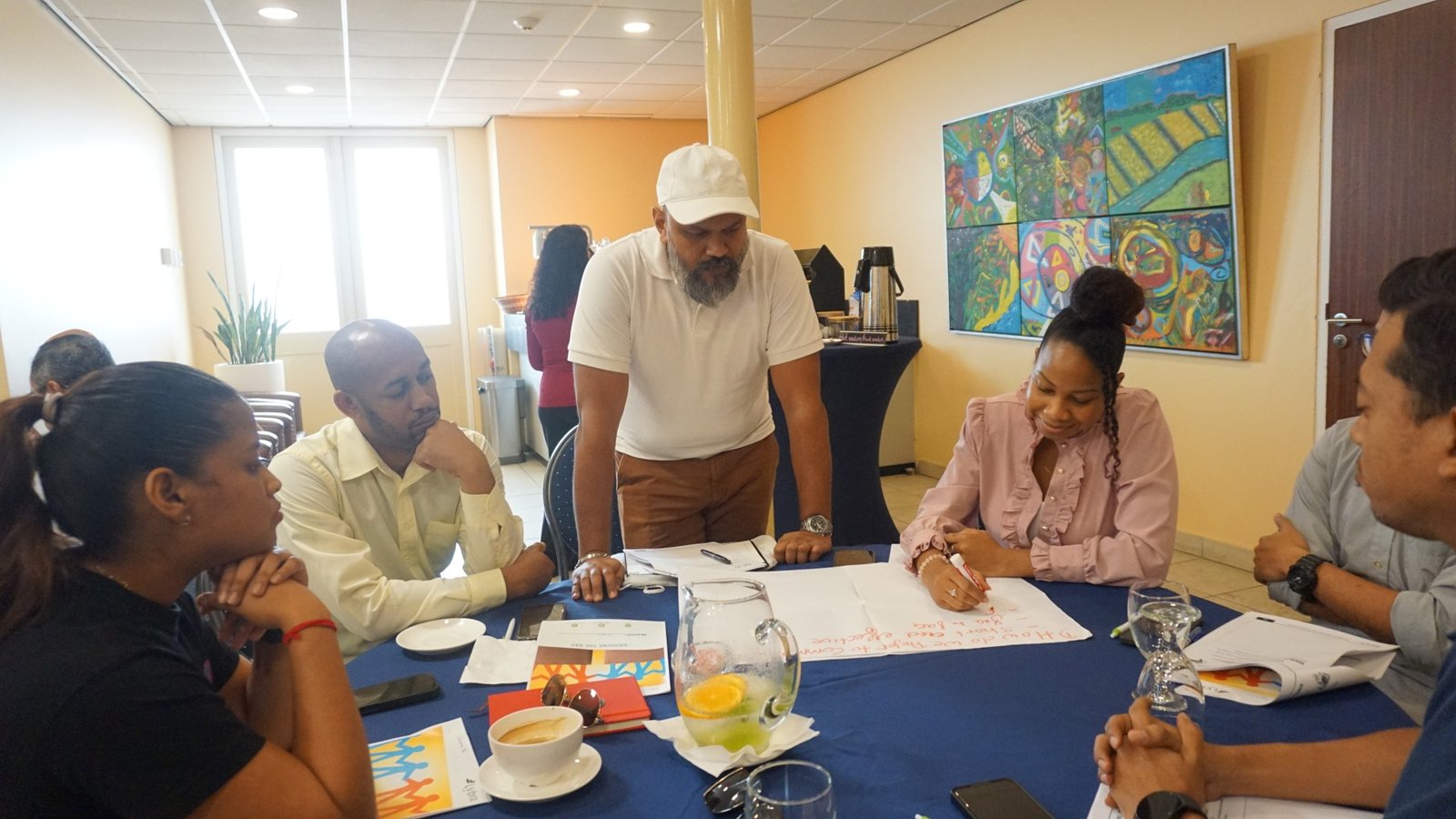
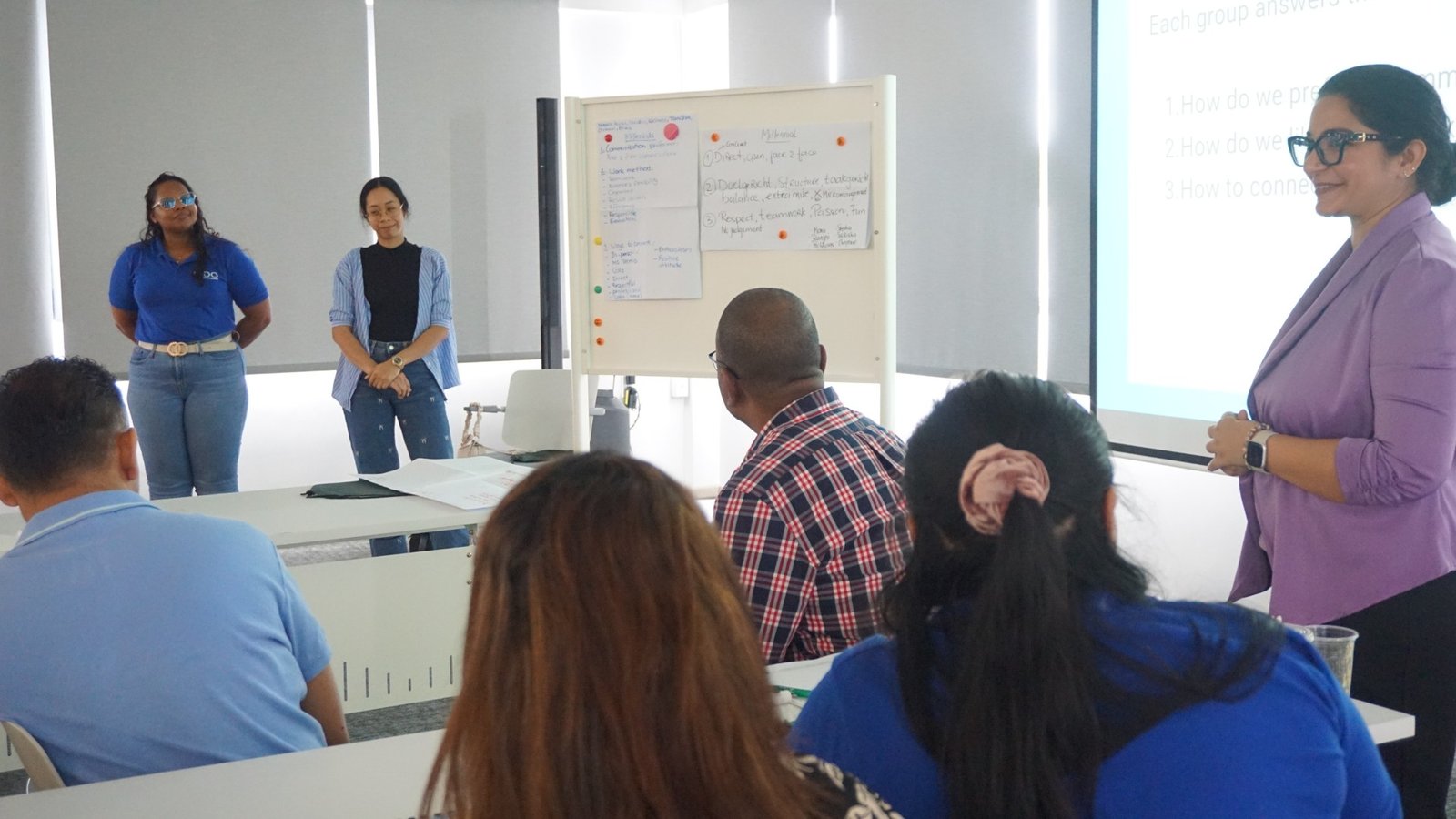
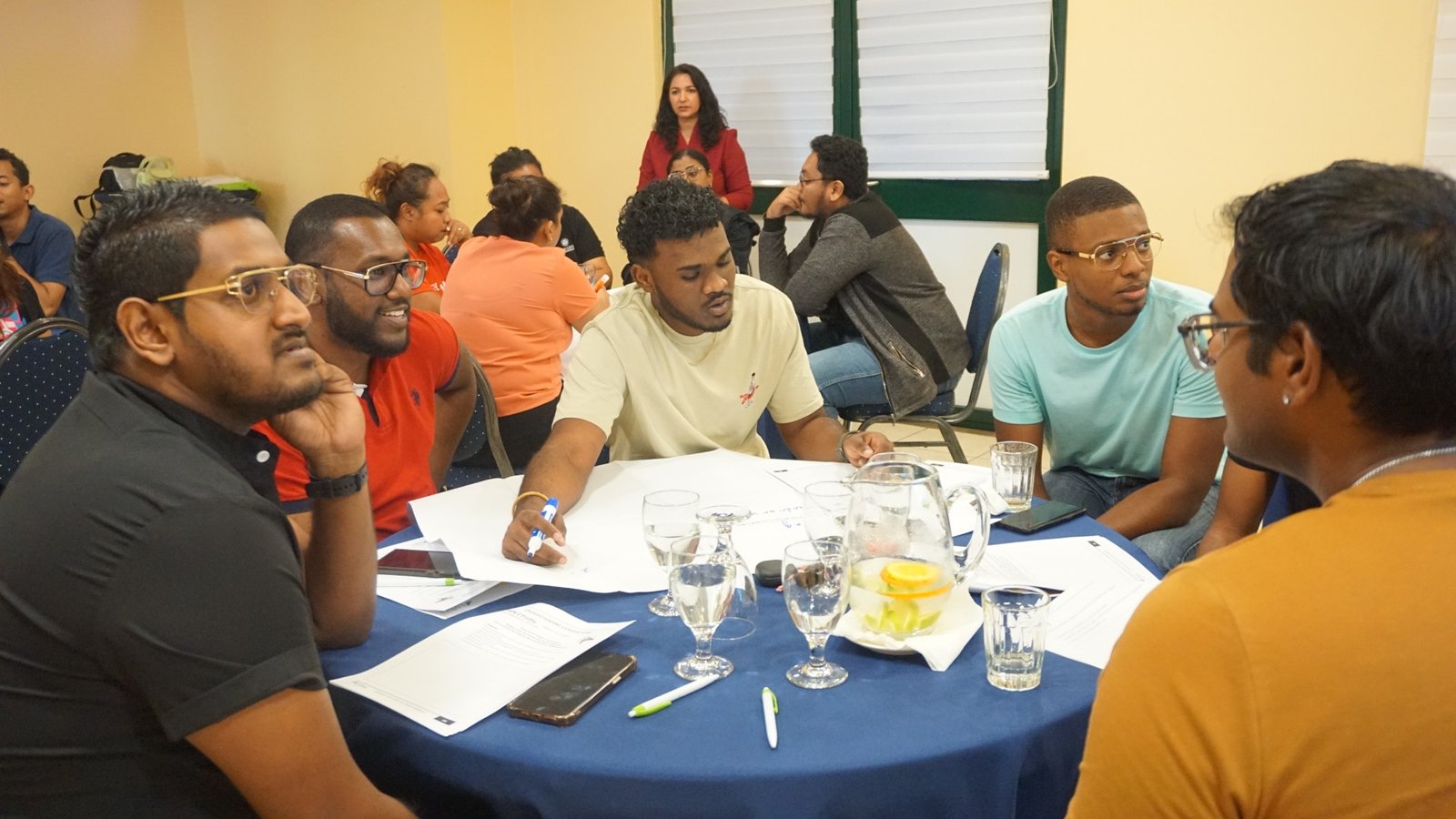
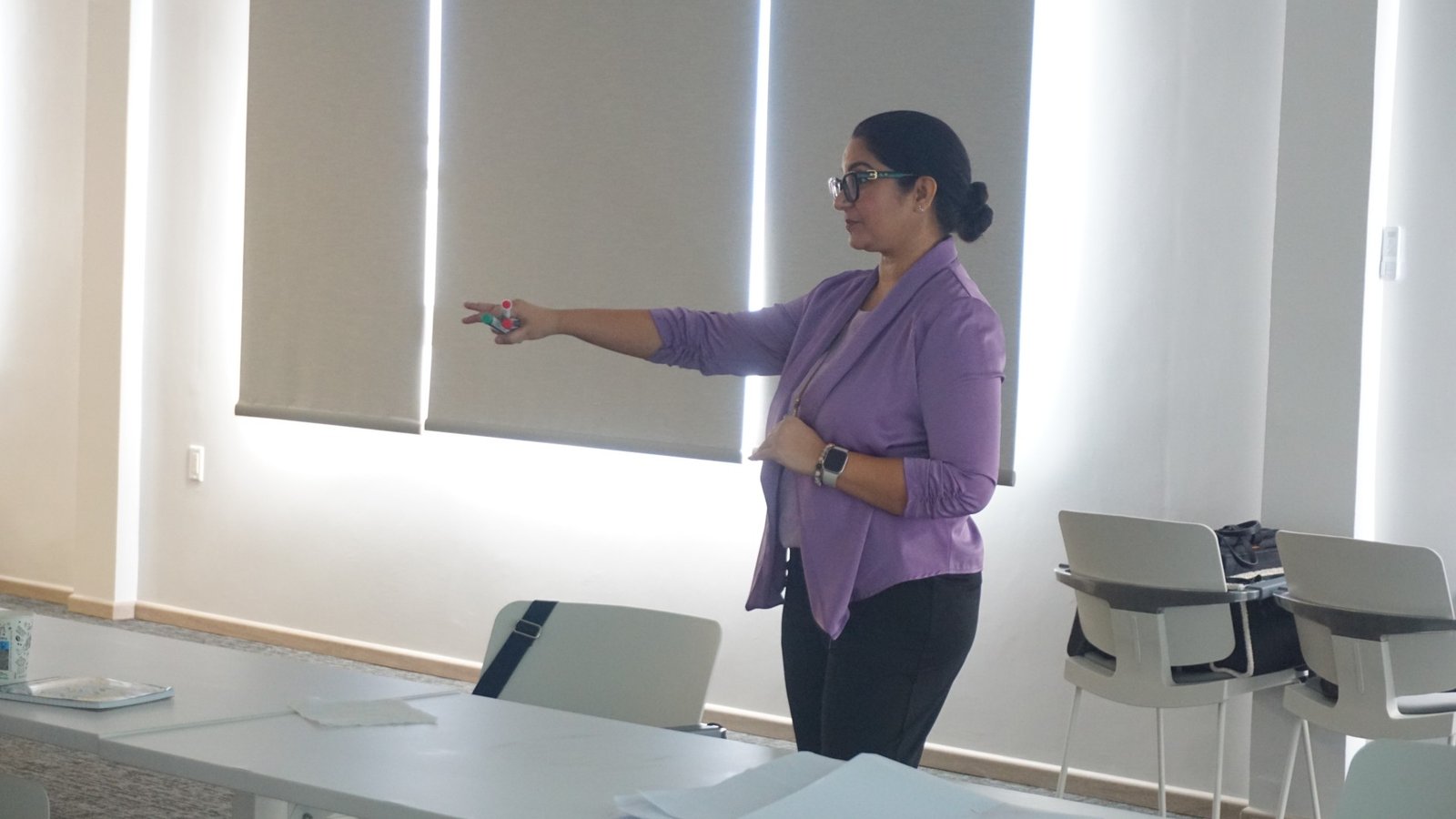
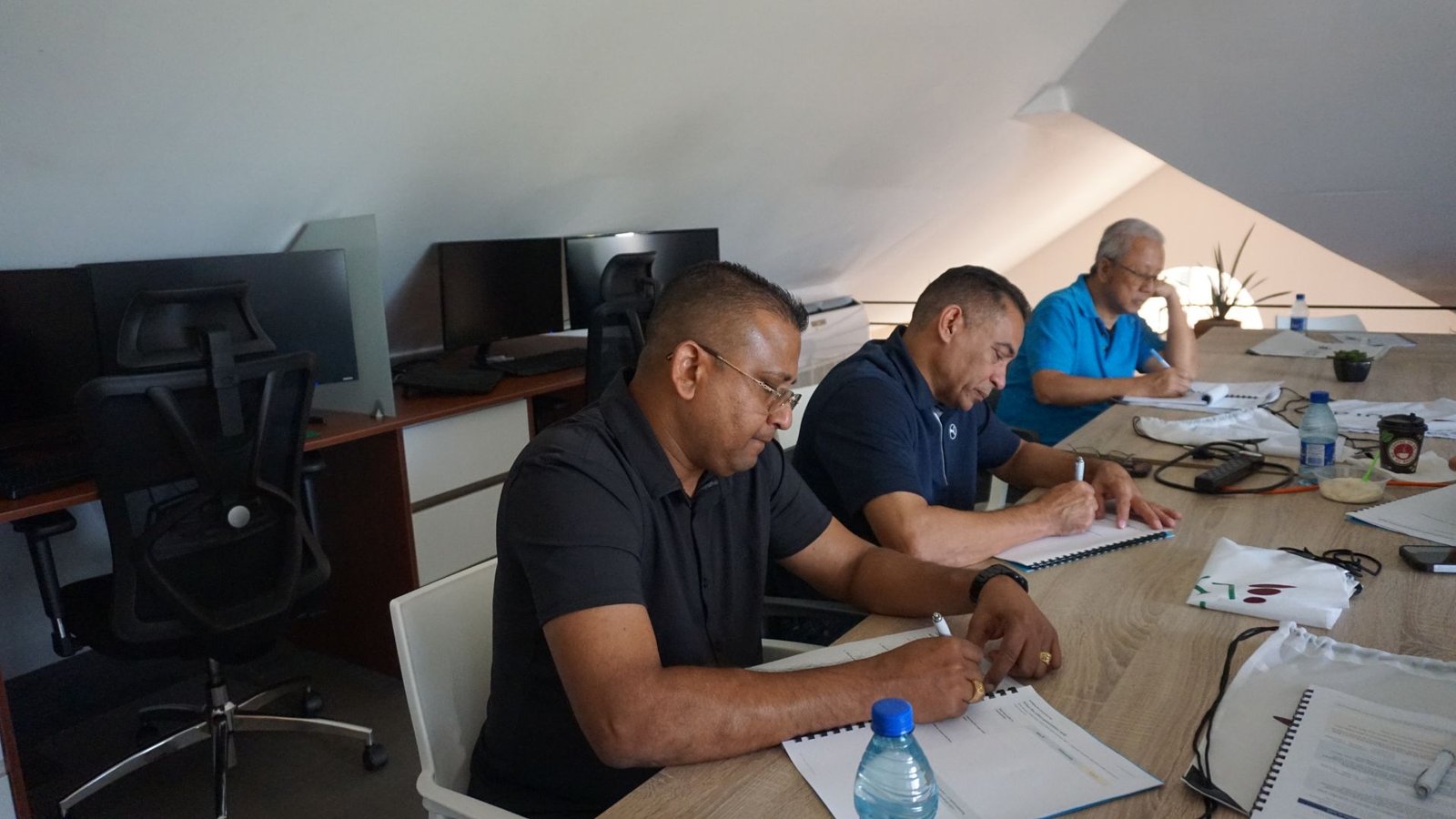
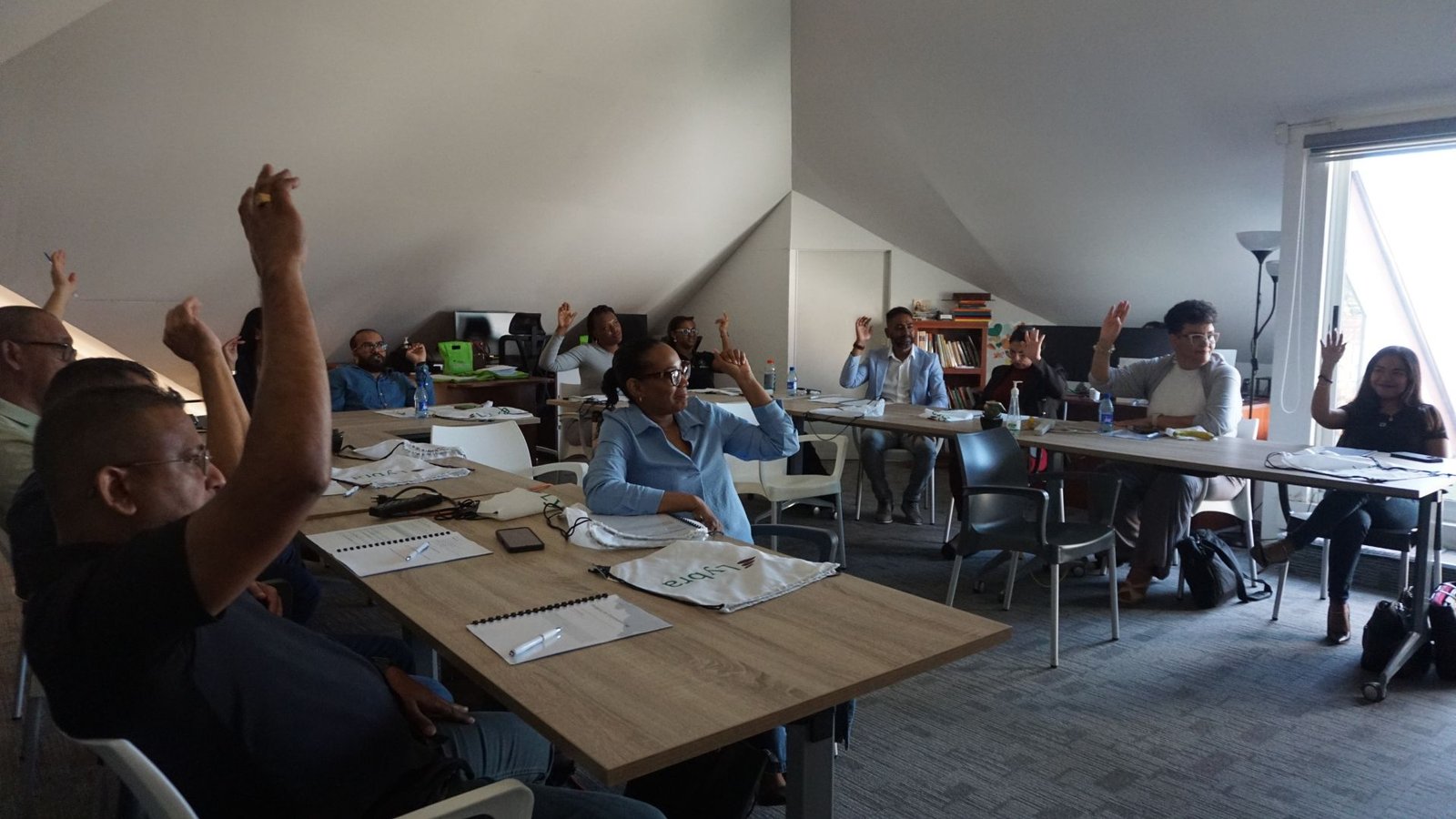
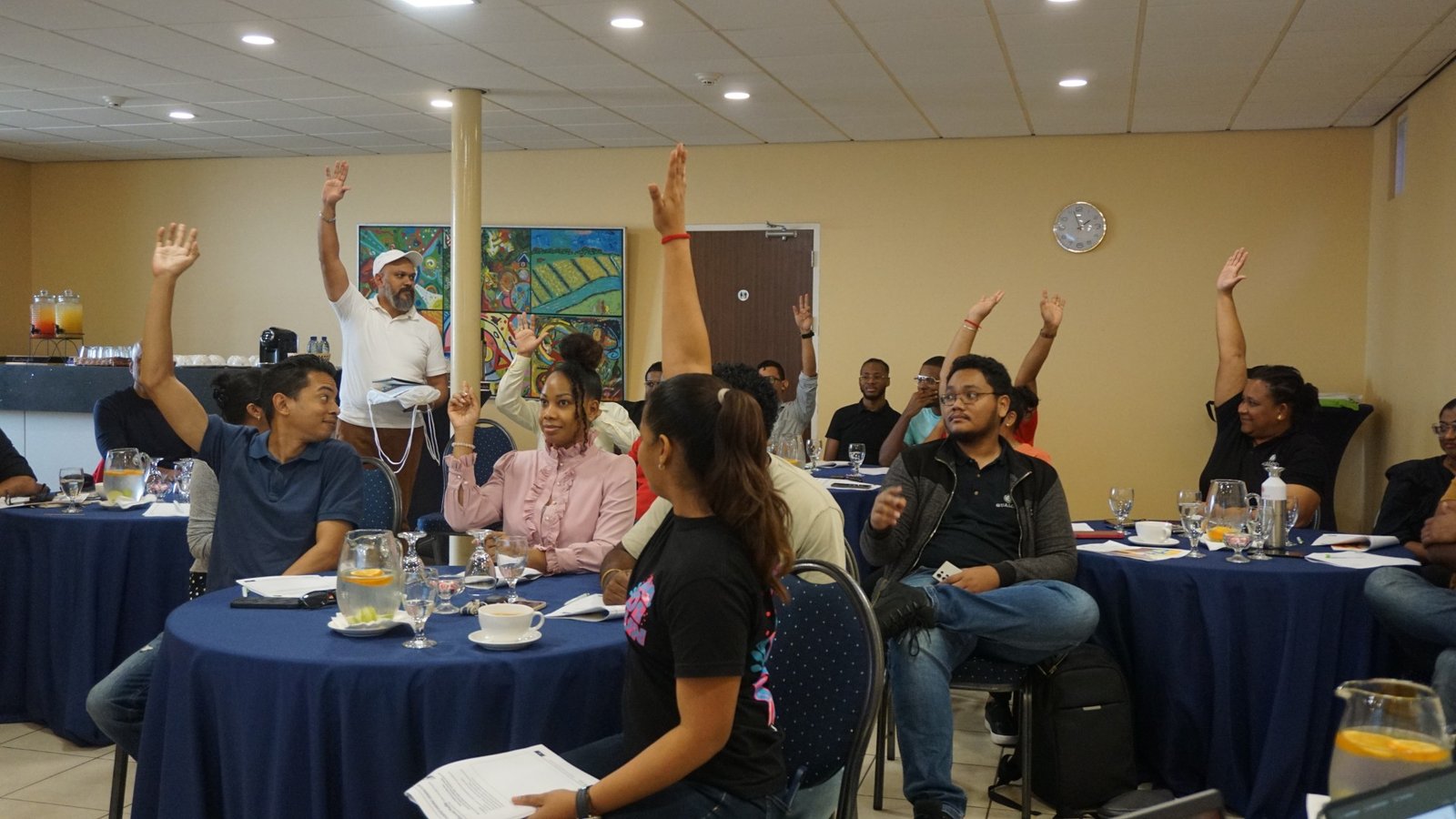
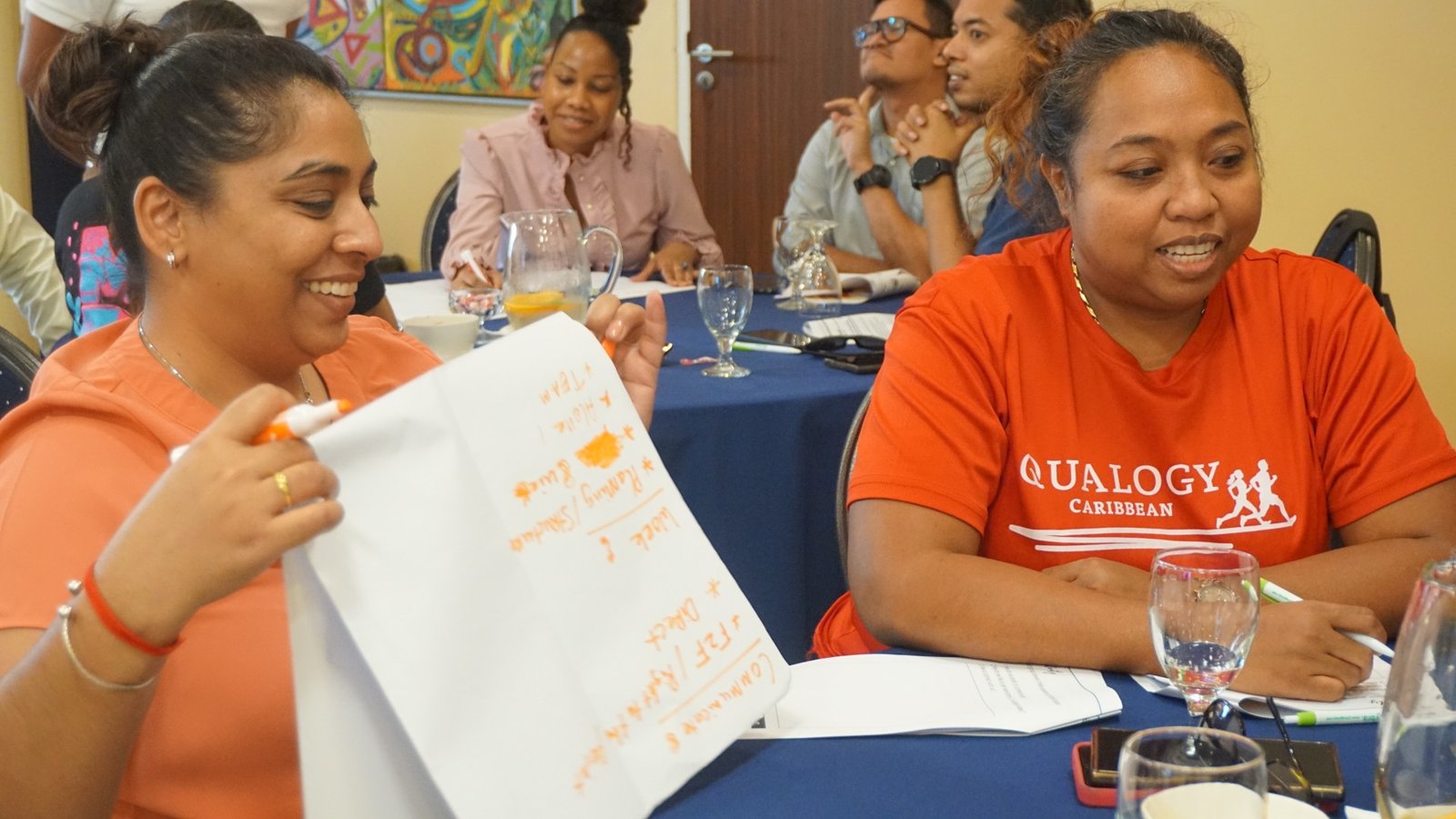
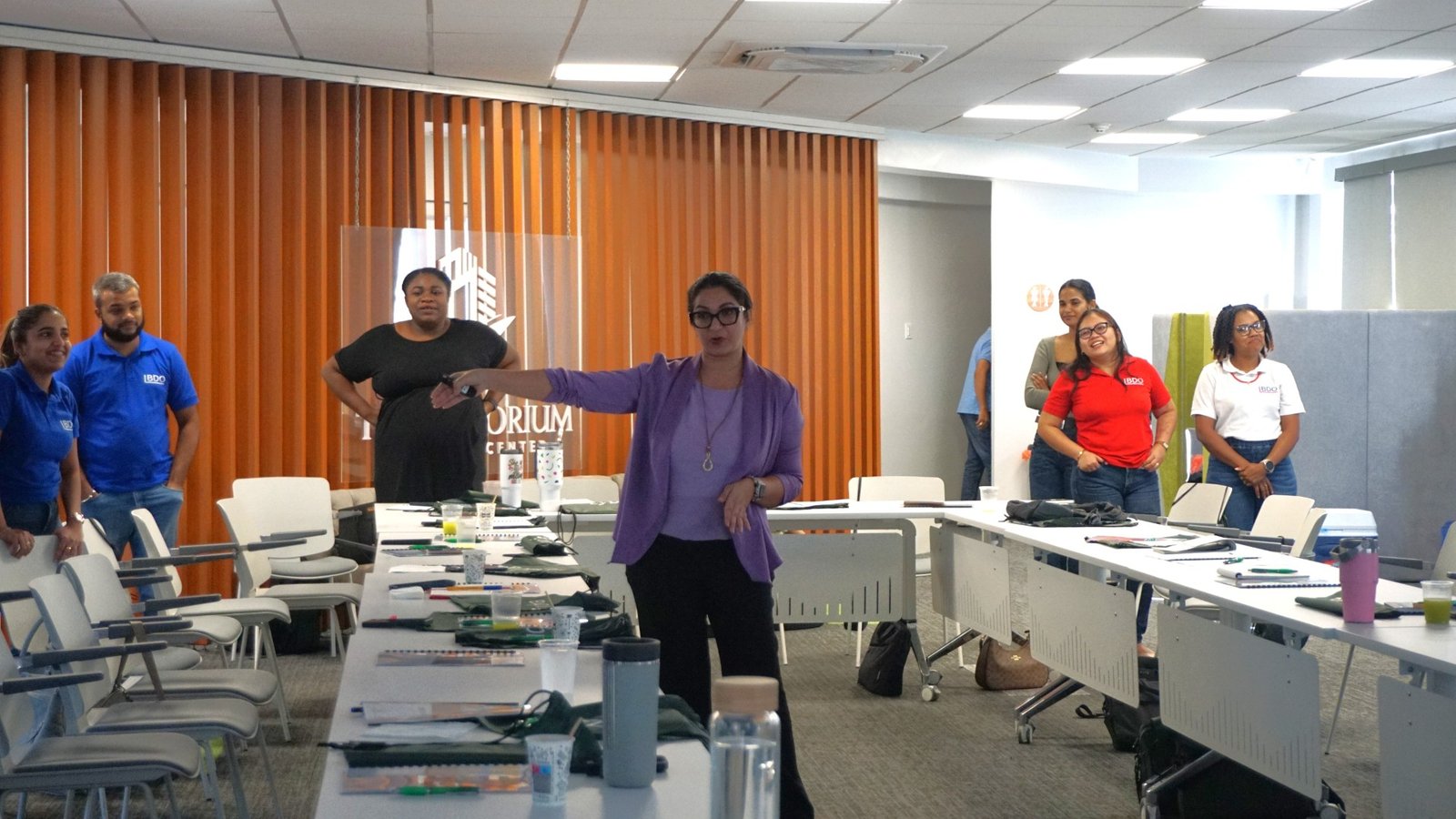
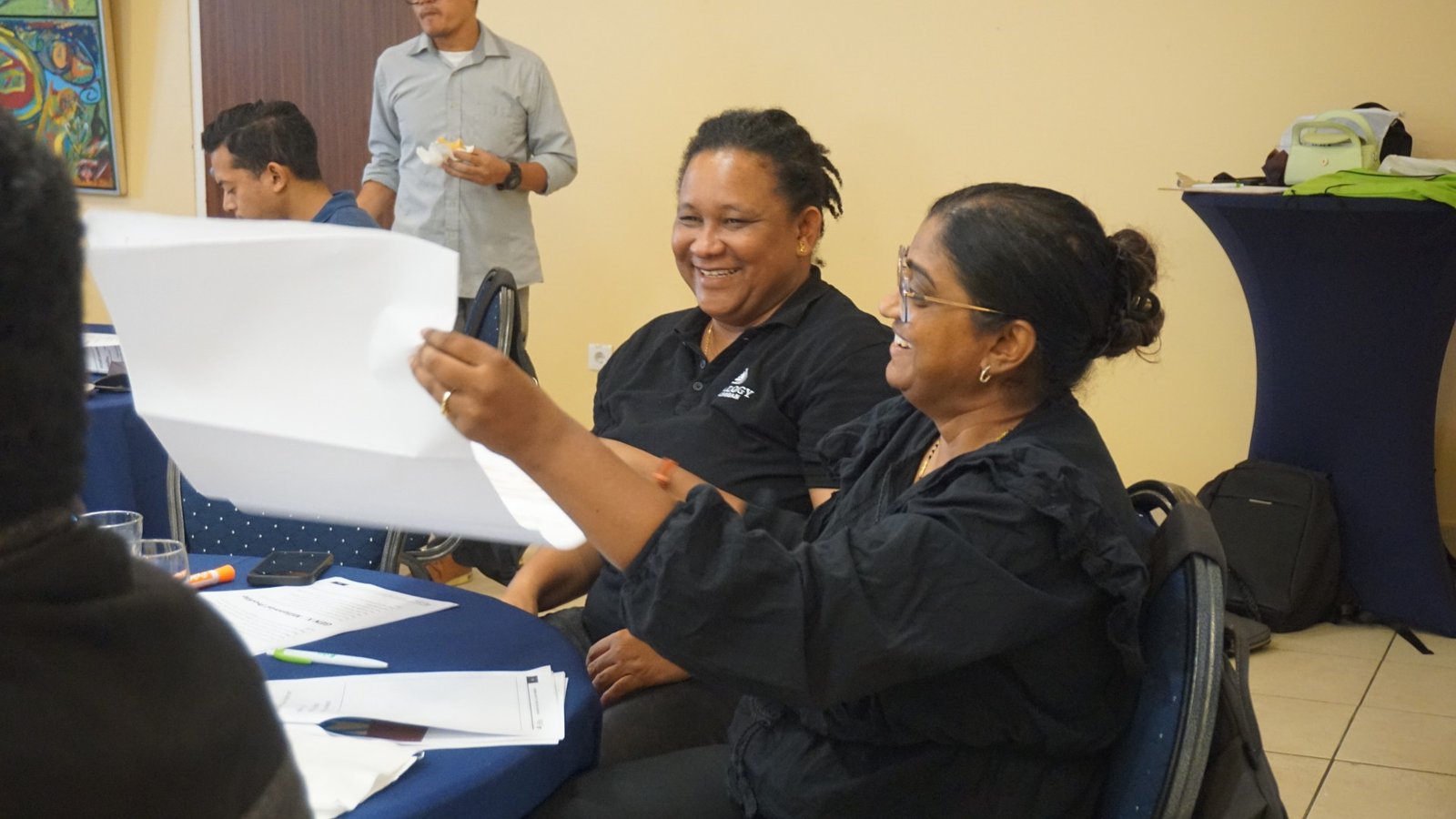
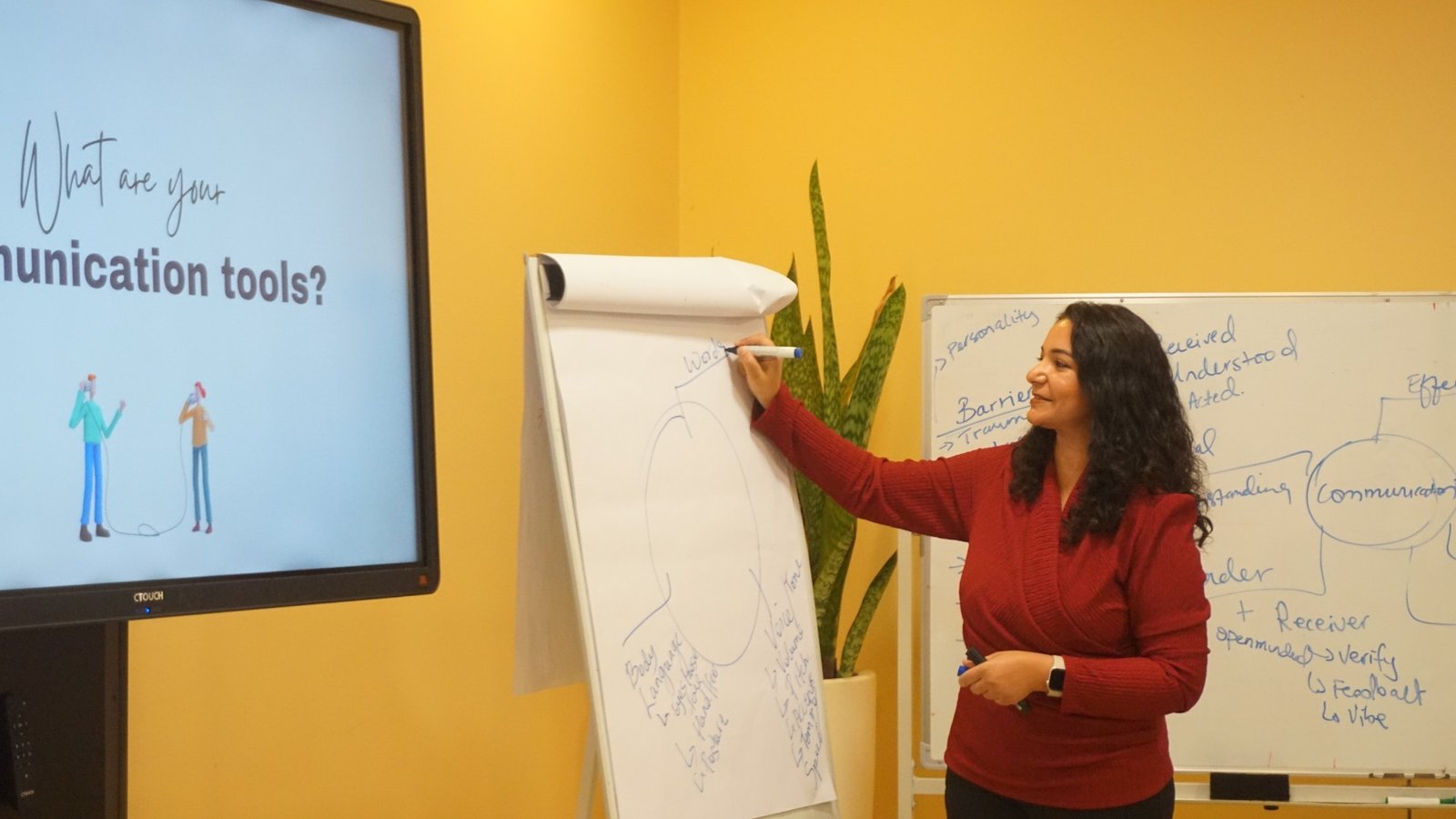
Take a look at this teaser from our Generation Gap Workshop and discover some of the valuable conversations that took place.
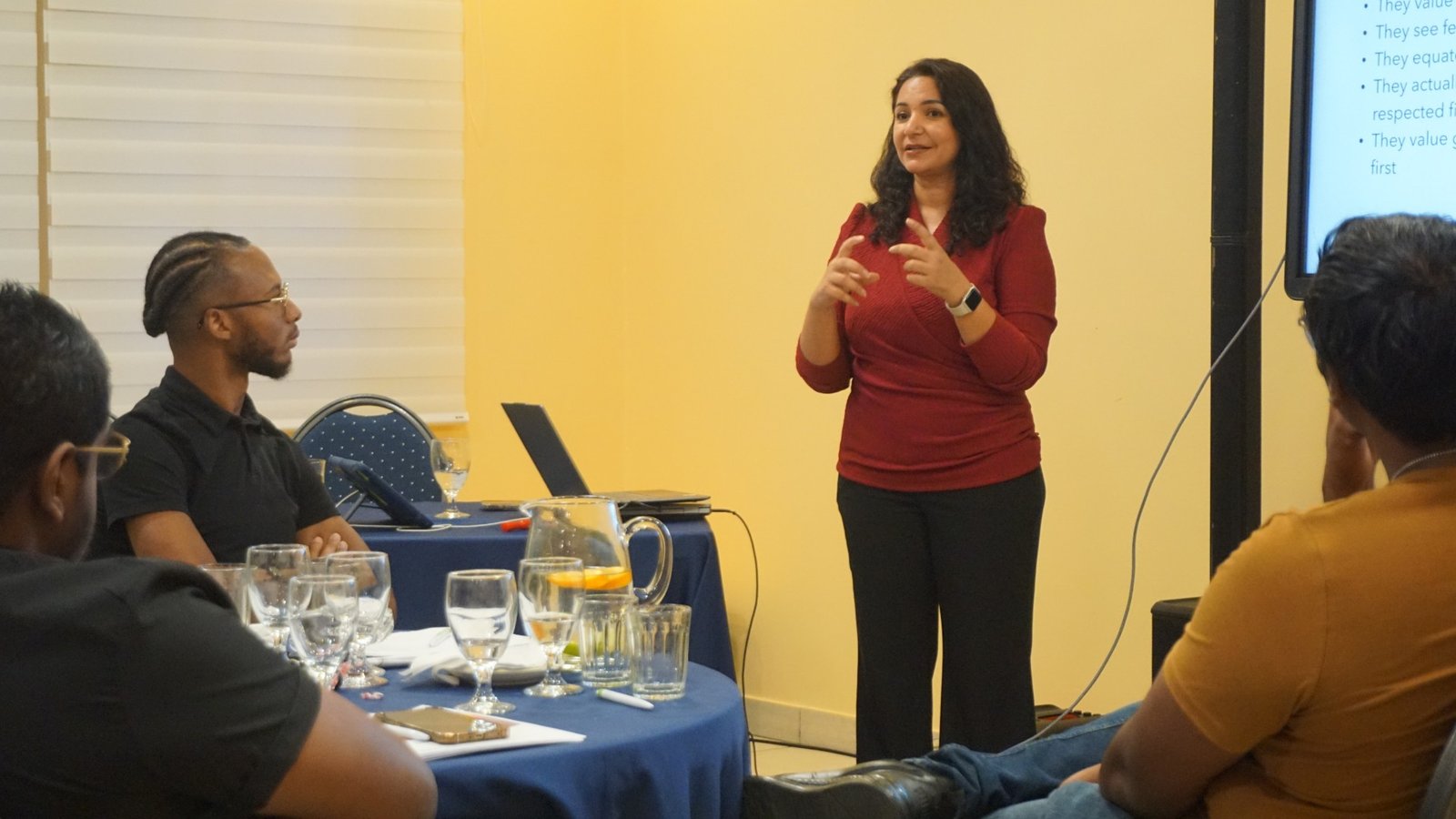
Over the past few months, I’ve facilitated several workshops where we explored generational differences in the workplace.
And every time we get to this part of the conversation, something interesting happens.
People laugh.
They recognize themselves. They recognize their managers, their colleagues, and sometimes even their children.
Someone will say, “Yes! That is exactly what happens in our office.”
And suddenly, some of the frustrations people have been carrying begin to make a little more sense.
Because perhaps some of the challenges we label as poor attitude, difficult behavior, resistance to change, or even lack of commitment are not always about difficult people.
Sometimes, we are simply looking at work through very different lenses
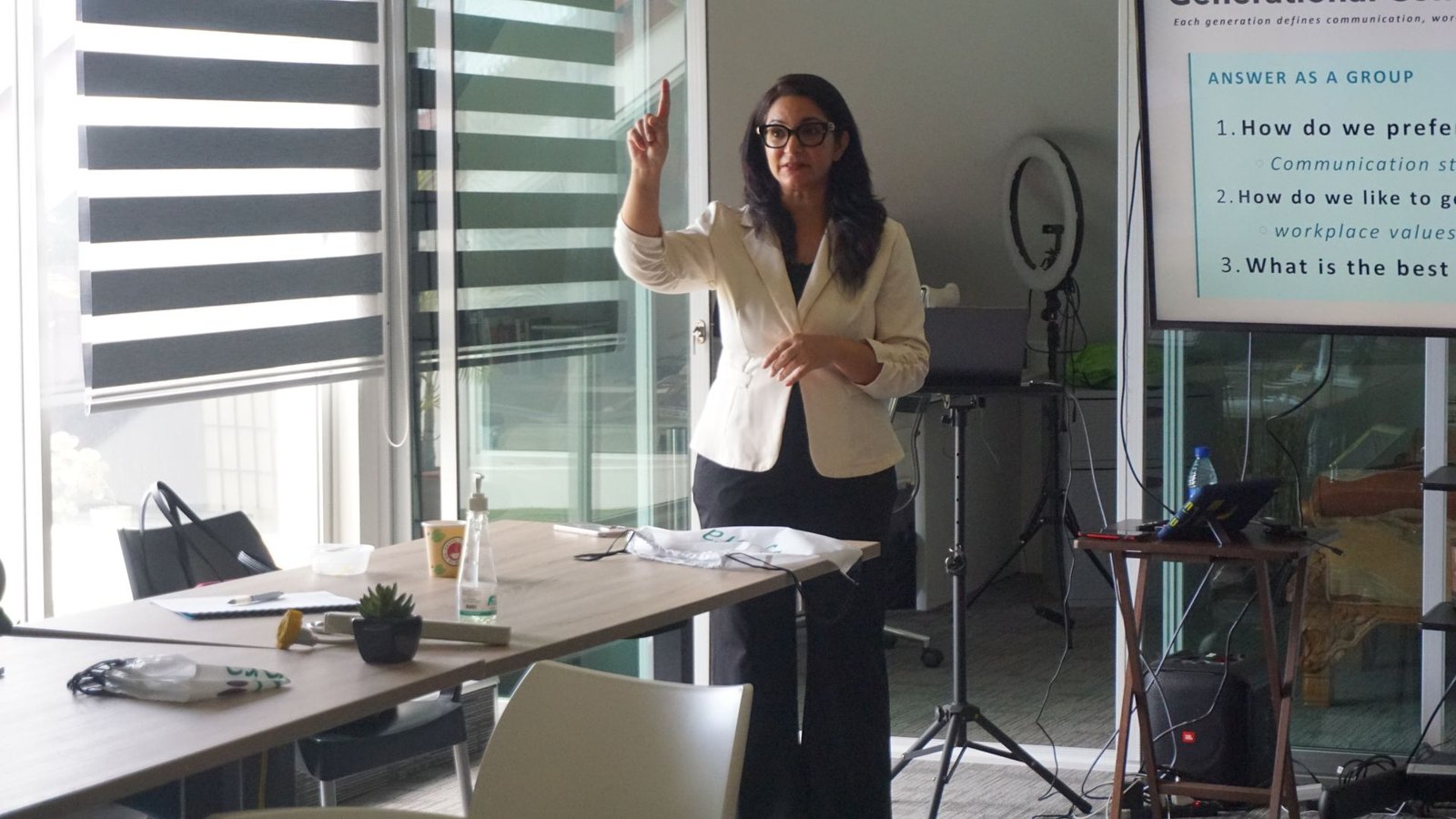
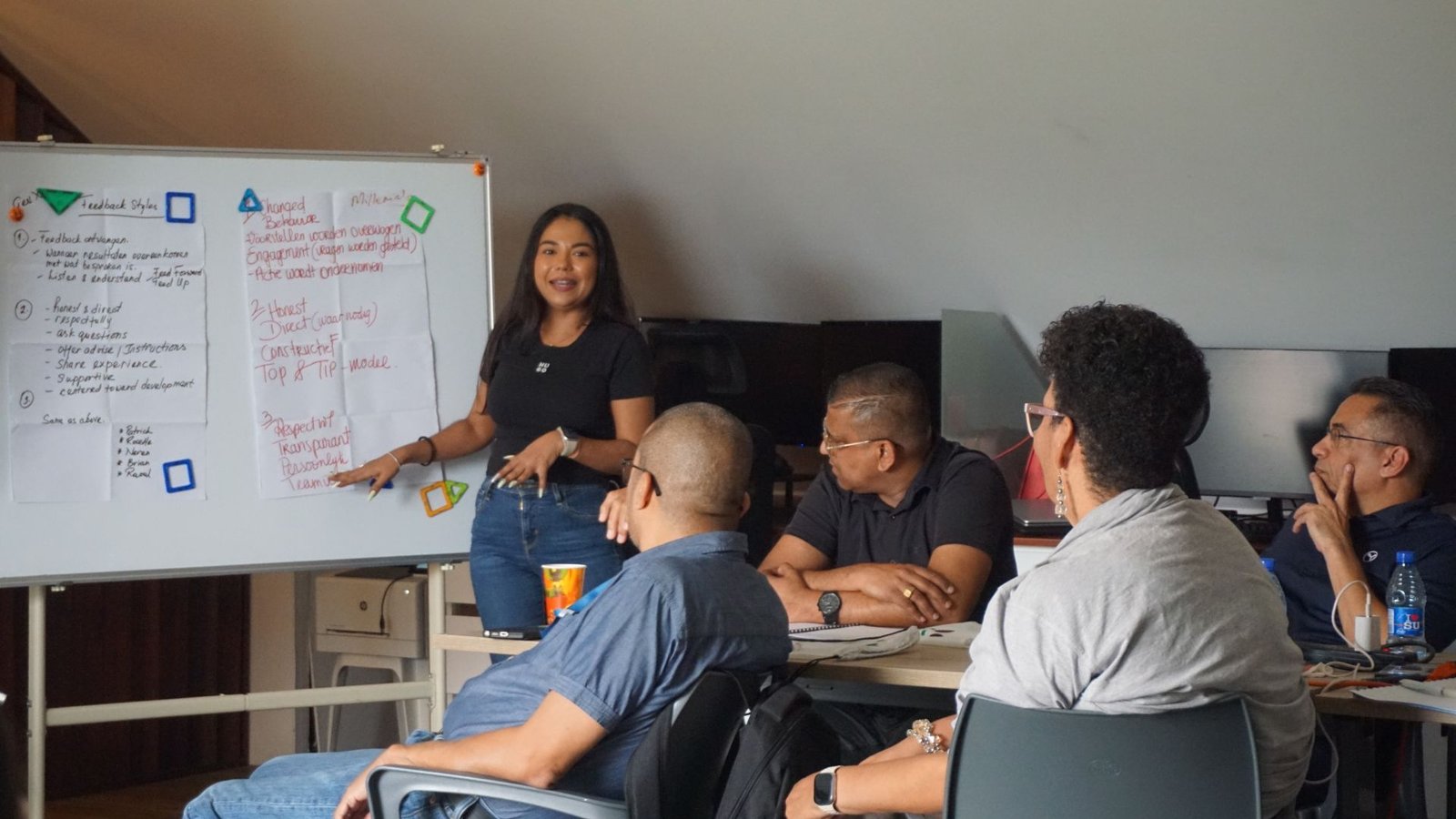
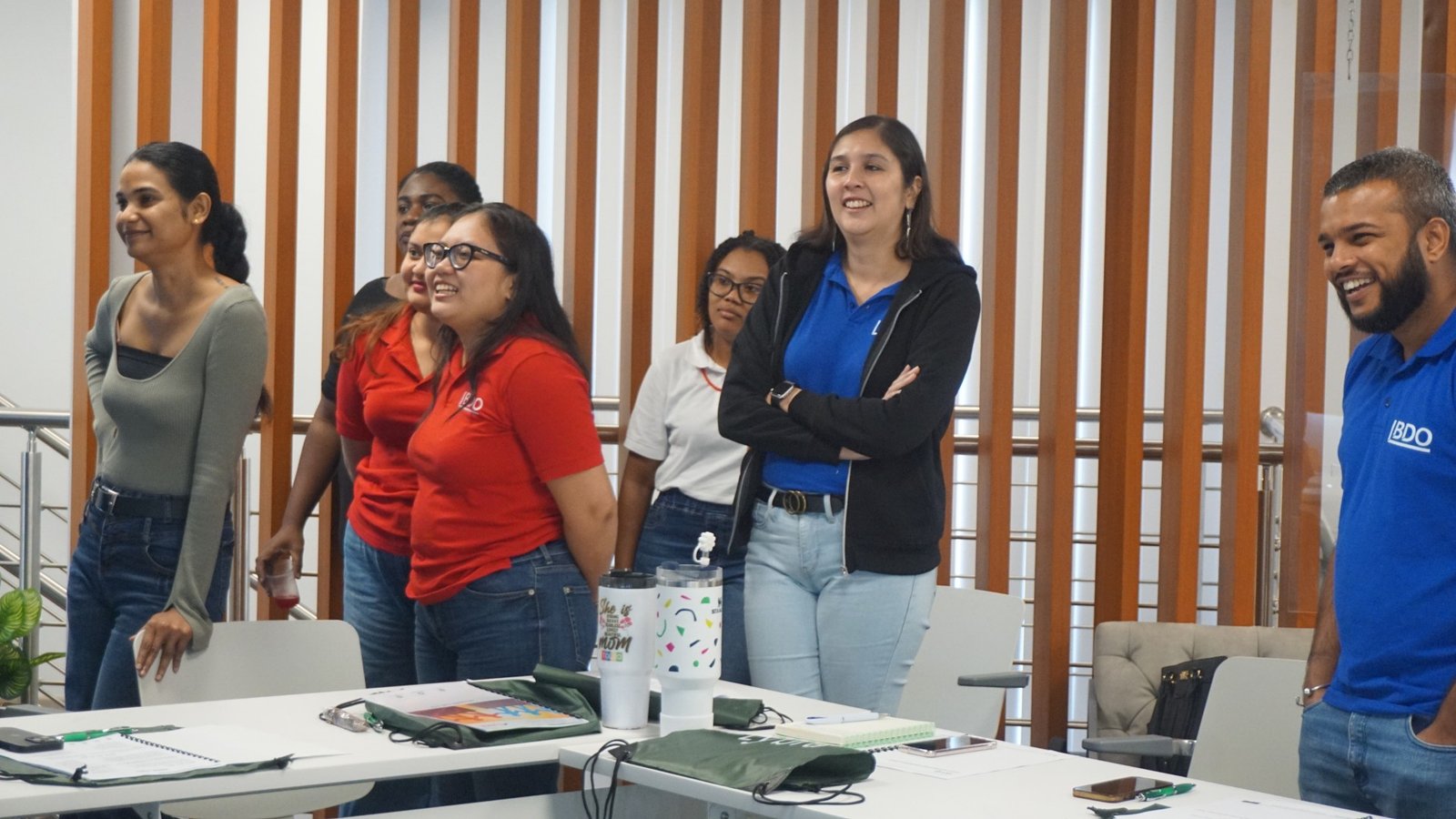
Four Generations, One Workplace
For the first time, many organizations have four generations working alongside one another.
Baby Boomers, Gen X, Millennials and Gen Z may all be sitting around the same meeting table.
Think about that for a moment.
These generations grew up in very different worlds. They experienced different economic realities, different approaches to parenting and education, different relationships with authority and, perhaps most significantly, completely different relationships with technology.
Someone who began their career before email became part of everyday work may now be managing someone who has never known a world without smartphones, Google and instant access to information.
Of course they are going to see certain things differently.
The problem begins when we interpret those differences as character flaws.
“They have no work ethic.”
“They are stuck in their ways.”
“They don’t want to listen.”
“They question everything.”
“They don’t know how to communicate.”
“They are always on their phones.”
I hear versions of these statements often.
But what if, instead of immediately judging the behavior, we became curious about what sits behind it?
We Don’t All Communicate the Same Way
Communication is one of the clearest places where generational differences show up.
One person may believe an important conversation should happen face-to-face. Another is perfectly comfortable resolving the issue through a quick message.
One manager may expect a formal email. A younger employee may wonder why the same information couldn’t have been communicated in three lines on WhatsApp or Teams.
Neither approach is automatically right or wrong.
The challenge comes when we assume our preferred way is the professional way.
This is where misunderstandings begin.
And it reminds me very much of the work we do around personality differences. Once people understand that someone else’s communication preference isn’t necessarily disrespectful, difficult, or inefficient, but simply different, the conversation changes.
Awareness creates space for understanding.
Even Our Expectations of Leadership Are Different
Generational differences also influence what people expect from their leaders.
Some professionals entered workplaces where hierarchy was very clear. Your manager gave instructions, and you followed them. Feedback may have happened once or twice a year, and questioning a senior leader wasn’t necessarily encouraged.
Many younger professionals have entered the workplace with very different expectations.
They want feedback.
They ask why.
They want to understand how their work connects to something bigger.
They may expect more access to their leaders and more involvement in conversations that affect their work.
For an experienced manager, this can sometimes feel like challenging authority.
For the employee, it may simply feel like engagement.
Again, perspective matters
What Does Commitment Look Like?
Perhaps one of the more difficult generational conversations is around work ethic and commitment.
For some generations, commitment may have meant staying with one organization for many years, working long hours and gradually building a career.
For others, commitment may look different.
They may value flexibility, meaningful work, faster development, boundaries, or opportunities to keep growing.
This can create tension very quickly.
One generation may look at another and think, “They don’t want to work.”
The other may think, “Why should work consume my entire life?”
But perhaps we need to move beyond deciding which philosophy is right.
Instead, organizations need to become clearer about expectations while also understanding that the relationship people have with work is changing.
Standards still matter.
Accountability still matters.
Performance still matters.
But understanding people matters too.
Stop Trying to Decide Which Generation Is Right
This may be the biggest insight I take away from these workshops.
We spend far too much time trying to decide which generation has the better approach.
But imagine what happens when we stop competing and start learning from one another.
Someone who has worked in an organization for thirty years carries institutional knowledge that cannot simply be Googled.
They know the history. They understand relationships. They remember why certain decisions were made.
A younger colleague may bring digital fluency, fresh thinking, new questions and a willingness to challenge a process that has existed simply because “we’ve always done it this way.”
One brings experience.
Another brings a different perspective.
One may bring patience.
Another may bring speed.
One understands how things were built.
Another can imagine how they might be rebuilt.
There is tremendous value sitting around that table if we know how to use it.
The Role of the Leader
This is where leadership becomes so important.
Leading a multigenerational workforce requires more than treating everyone exactly the same.
It requires understanding people well enough to know how to bring out their best while still maintaining clear expectations and standards.
A good leader learns how people communicate.
What motivates them.
How they prefer to receive feedback.
What they need in order to grow.
And where they may need to stretch beyond what feels comfortable.
This does not mean creating a different rule for every generation.
It means developing enough awareness and emotional intelligence to recognize that there may be more than one way to achieve a good result.
At Lybra, we have always believed that understanding differences strengthens teams. We see it when we explore personality. We see it in communication. And increasingly, we are seeing it in conversations about generations.
Because once people understand why someone may think or behave differently, judgment often begins to soften.
And collaboration becomes possible.
If this conversation resonates, and you lead a team where these differences show up every day, this is exactly the work we do at Lybra.
On Friday, October 16, 2026, I’ll be facilitating a full workshop on it: Bridging the Generation Gap: How to Lead a Multigenerational Team. It’s built for managers, team leaders, HR professionals, and anyone trying to turn generational friction into something their team can actually use. We go deeper into the three things that make the real difference: flexibility, empathy, and curiosity.
If you want your managers and teams to understand one another better, come join us.
Learn more and register for the workshop📩
Bridging the Generation Gap
📆Friday, October 16, 2026
Bridging the Generation Gap: How to Lead a Multigenerational Team.